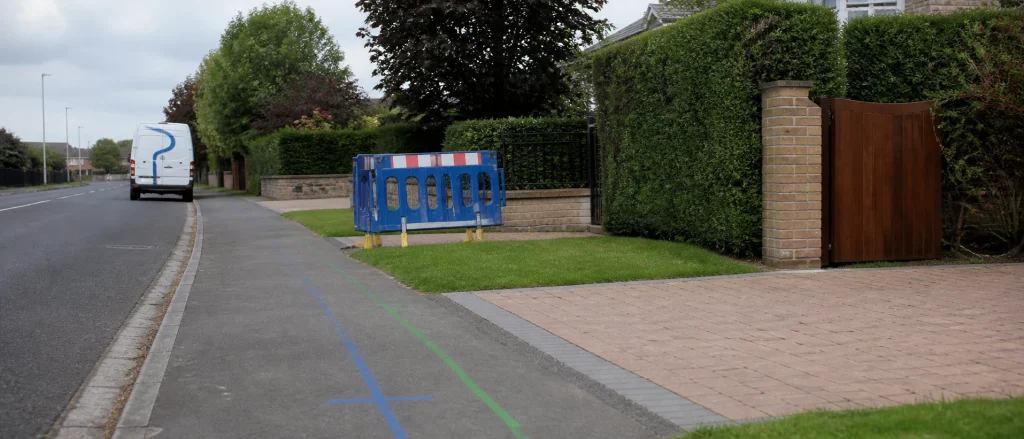
A pipe repair may solve the urgent problem underground, but the finish above ground matters just as much. If a driveway, path or hardstanding has been opened to reach a damaged pipe, poor reinstatement can leave dips, loose patches, trip hazards and a repair that never quite blends back in.
Good reinstatement is the part of the job that protects the surface after the pipework has been repaired. It covers how the excavation is backfilled, compacted, surfaced and left tidy, so the area can return to everyday use with confidence.
Why reinstatement matters after pipe repairs

When homeowners think about water pipe repair or broken water line repair, the obvious focus is the leak, blockage or damaged section of pipe. That is understandable. A faulty underground pipe can affect water pressure, create damp patches, flood a driveway or interrupt normal use of the property.
However, once the pipe has been accessed and repaired, the ground above it needs proper attention. Excavating through a driveway or paved area changes the structure beneath the surface. Layers that were previously compacted and stable have been disturbed. If they are simply filled back in without care, the surface may settle later.
Settlement often shows as a sunken patch, a cracked edge, loose gravel, uneven blocks or a hollow that collects water. These problems can make the original pipe repair feel unfinished, even if the pipe itself is working properly.
Professional reinstatement after pipe repairs is about rebuilding the area in a sensible order. The aim is to support the surface, protect the repaired pipe and leave the access area neat, firm and suitable for normal use.
What proper backfilling does below the surface

Backfilling is more than putting excavated material back into a hole. It is the process of replacing and compacting material around and above the repaired pipe so the ground can support the finished surface.
The first priority is protecting the pipe. The material immediately around the pipe should be suitable for bedding and surrounding the pipe without sharp pressure points. This helps reduce stress on the repair and avoids placing heavy or uneven loads directly onto the pipework.
From there, the excavation is built back up in layers. Each layer should be placed and compacted carefully, rather than filling the whole void at once. Layered compaction helps reduce later movement because the material is consolidated as the reinstatement progresses.
Where backfilling is rushed or poorly compacted, the surface can look acceptable at first but start to dip after use, rain or changes in ground moisture. The problem is not always visible on the day of the repair. That is why the method matters.
A tidy pipe repair should not leave the homeowner wondering whether the ground will sink later. Good backfilling gives the surface above the pipe a much better chance of staying stable.
How surfacing protects the driveway finish

Once the excavation has been backfilled, the surface needs to be reinstated in a way that suits the existing driveway or hardstanding. Different surfaces need different handling. Block paving, concrete, tarmac, gravel and slabs all behave differently, so the finish should be matched to the surface type where possible.
With block paving or slabs, the surrounding edges need care. If units are lifted and replaced without a firm base, they may rock, spread or sit unevenly. A proper bedding layer and a consistent level help the reinstated area sit neatly with the surrounding surface.
With concrete or tarmac, the reinstated patch needs suitable preparation beneath the visible surface. The finish is important, but the support below is what helps prevent cracking, hollow spots and early failure.
Gravel and loose surfaces also need structure. If the base is not compacted, the top layer can sink into the excavation line and create a visible hollow. The area may then hold water or need repeated topping up.
Good surfacing is not only about appearance. It affects drainage, access, trip safety and how well the driveway copes with daily use. For homeowners already dealing with water issues, related guidance on driveway flooding and soakaways can also be useful where standing water is part of the wider concern.
Why tidy finish work is part of the repair
A pipe repair is not truly complete until the working area has been left in a practical, tidy condition. That does not mean every surface can be made invisible, especially where materials have aged or weathered over time. It does mean the reinstated area should be neat, stable and finished with care.
Tidy finish work includes trimming and aligning edges where appropriate, removing loose debris, checking that levels are sensible and making sure the surface is ready for normal household use. It also means thinking about how water will move across the area once the surface is back in place.
If the reinstated section sits too low, it may collect water. If it sits too high, it can create a raised edge or interrupt the fall of the driveway. If the edges are poorly supported, the surrounding material can start to crumble or move.
This is why excavation and reinstatement should be treated as connected parts of the same job. The underground repair solves the immediate pipe issue, while the reinstatement protects the driveway and helps the work settle back into the property properly.
Where wider excavation, trenching or surface preparation is required, domestic and commercial groundworks may also be relevant, particularly when pipe access forms part of a broader groundworks task.
Avoiding repeat damage and messy repairs

One of the biggest frustrations after underground pipework has been accessed is needing the same area disturbed again. Sometimes this happens because the original issue was not fully understood before excavation. In other cases, the pipe repair may be sound, but the reinstatement has created surface problems that need correction.
Before opening the ground, it is useful to understand where the pipework runs and what may be affected by the repair. Tracing can help reduce guesswork and keep excavation focused. A guide to buried pipework tracing before repair work explains why locating services before digging can make the whole job more controlled.
Careful planning also helps protect nearby surfaces, edges, drains and utilities. The more controlled the access, the easier it is to reinstate the area neatly afterwards.
Another risk is a repair that deals only with the visible symptom. For example, a damp patch, low pressure or pooling water may point to an underground issue, but the exact cause still needs proper investigation. If the wrong section is opened or the underlying problem is missed, the surface may be disturbed without solving the issue properly.
Homeowners can reduce this risk by choosing a contractor that considers the whole sequence: investigation, access, repair, backfilling and reinstatement. That approach helps avoid messy repeat work and gives the finished surface a better outcome.
What homeowners should expect from a good reinstatement job
A good reinstatement job should feel organised from start to finish. The contractor should be able to explain how the damaged pipe will be accessed, what surface may need lifting or cutting and how the area will be made good afterwards.
Before work begins, it is reasonable to ask what type of surface will be disturbed and how the reinstatement will be handled. You can also ask whether existing materials can be reused, whether matching materials may be needed and what the finished area is likely to look like.
During the work, the excavation should be controlled and kept to the area needed for access. Once the pipe repair is complete, the backfill should be placed and compacted properly before the surface is restored.
After completion, the surface should be left neat and usable. Any limitations should be explained clearly, such as allowing certain materials time to settle or avoiding heavy loads for a sensible period if advised. The area should not be left with loose spoil, unstable edges or an obvious trip hazard.
The best results come from treating reinstatement as skilled work, not as an afterthought. Pipework may be hidden underground, but the driveway finish is what the homeowner sees every day.
- Proper reinstatement helps prevent sunken patches after underground pipework has been accessed.
- Backfilling should be done in compacted layers to support the repaired pipe and the surface above it.
- Surfacing needs to suit the existing driveway material, whether it is block paving, concrete, tarmac, gravel or slabs.
- Tidy finish work helps protect everyday access, drainage and the overall appearance of the repaired area.
- Tracing and careful planning before excavation can reduce unnecessary disturbance.
Frequently asked questions
Can a driveway sink after a water pipe repair?
Yes, it can if the excavation is not backfilled and compacted properly. The surface may look fine at first, then settle later as loose material moves. Careful layered backfilling and suitable surfacing help reduce that risk.
Will the repaired area match the rest of the driveway?
That depends on the existing surface, its age and whether matching materials are available. A good reinstatement should be neat, stable and sympathetic to the surrounding area, even where an exact visual match is not possible.
Is reinstatement always needed after broken water line repair?
If the ground or driveway has been opened to reach the pipe, some level of reinstatement will normally be needed. The type of reinstatement depends on the surface, the depth of the excavation and the access required for the repair.
Why not just fill the hole and resurface it quickly?
A quick fill can leave voids or loose material below the surface. Over time, that can lead to dips, cracks, rocking paving or water pooling. The strength of the finished surface depends heavily on what has been done underneath it.
Need help after a pipe repair?
CW Pipewise can help with careful pipe access, repair and reinstatement so the surface above the work is left tidy, practical and properly supported.