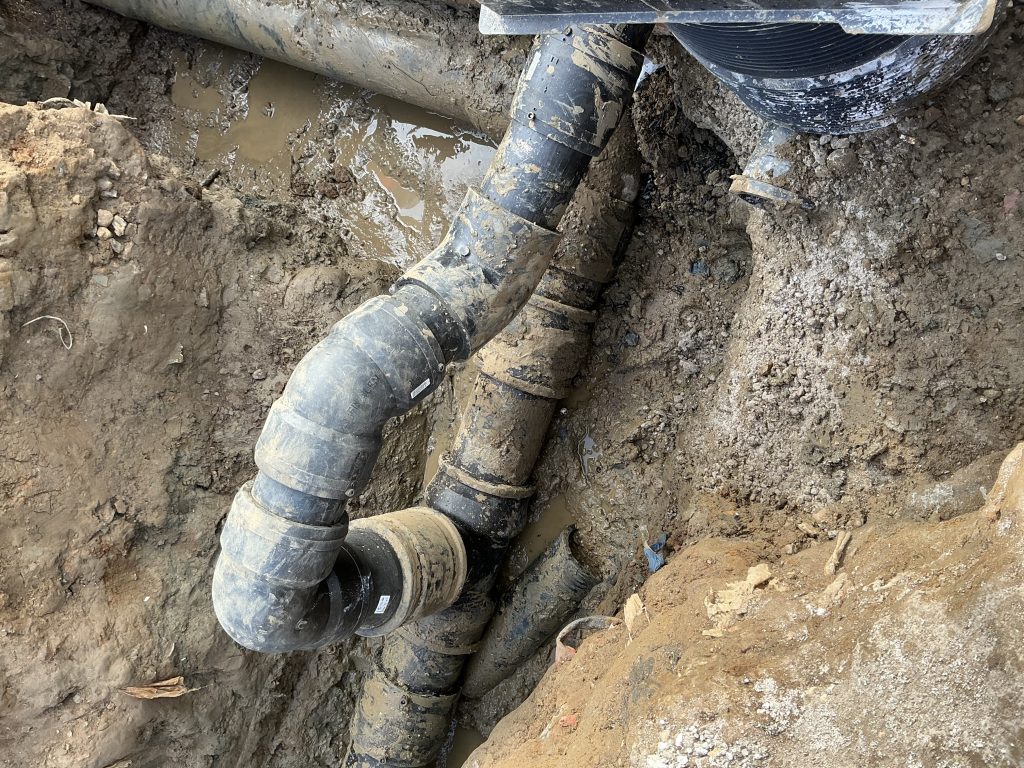
Although the use of lead in water pipes was phased out decades ago, the toxic legacy remains hidden in thousands of UK homes. At CW Pipewise, we believe every household deserves safe, clean drinking water. Raising awareness about lead contamination risks in domestic plumbing is essential to safeguarding public health.
How Lead Enters Your Water
Lead infiltrates drinking water through corrosion of plumbing materials containing lead, particularly if the water has high acidity or low mineral content. Typical sources include:
Lead Service Pipes: Commonly found in homes built before 1970, particularly in older towns and cities.
Lead-Based Solder: Used historically to join copper pipes, often present in older or DIY-installed plumbing.
Brass Fixtures and Fittings: Even fixtures labelled “lead-free” might contain trace amounts of lead, potentially leaching into water over time.
Water that sits in lead pipes for extended periods (overnight or during working hours) poses the greatest contamination risk. Lead is tasteless, odourless, and invisible, making detection difficult until health issues emerge.
Health Risks of Lead Exposure
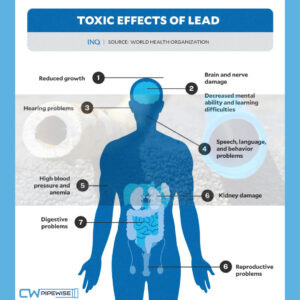 The harmful effects of lead exposure are serious, particularly for vulnerable groups like children and pregnant women. The World Health Organisation states that no level of lead exposure is safe.
Children
Children absorb lead more easily, and their developing brains and nervous systems are especially sensitive. Risks include:
Lower IQ and reduced attention span
Learning disabilities and behavioural problems
Slowed growth and developmental delays
Hearing and speech difficulties
Pregnant Women
Lead exposure during pregnancy increases risks of:
Miscarriage or stillbirth
Premature birth and low birth weight
Developmental issues in infants
Adults
Prolonged exposure to lead can also impact adults, causing:
High blood pressure and cardiovascular disease
Kidney damage
Fertility problems
Cognitive decline and memory impairment
Signs Your Home Has Lead Pipes
If your home was built before 1970—especially pre-1950—there’s a high likelihood of lead pipes. Key signs include:
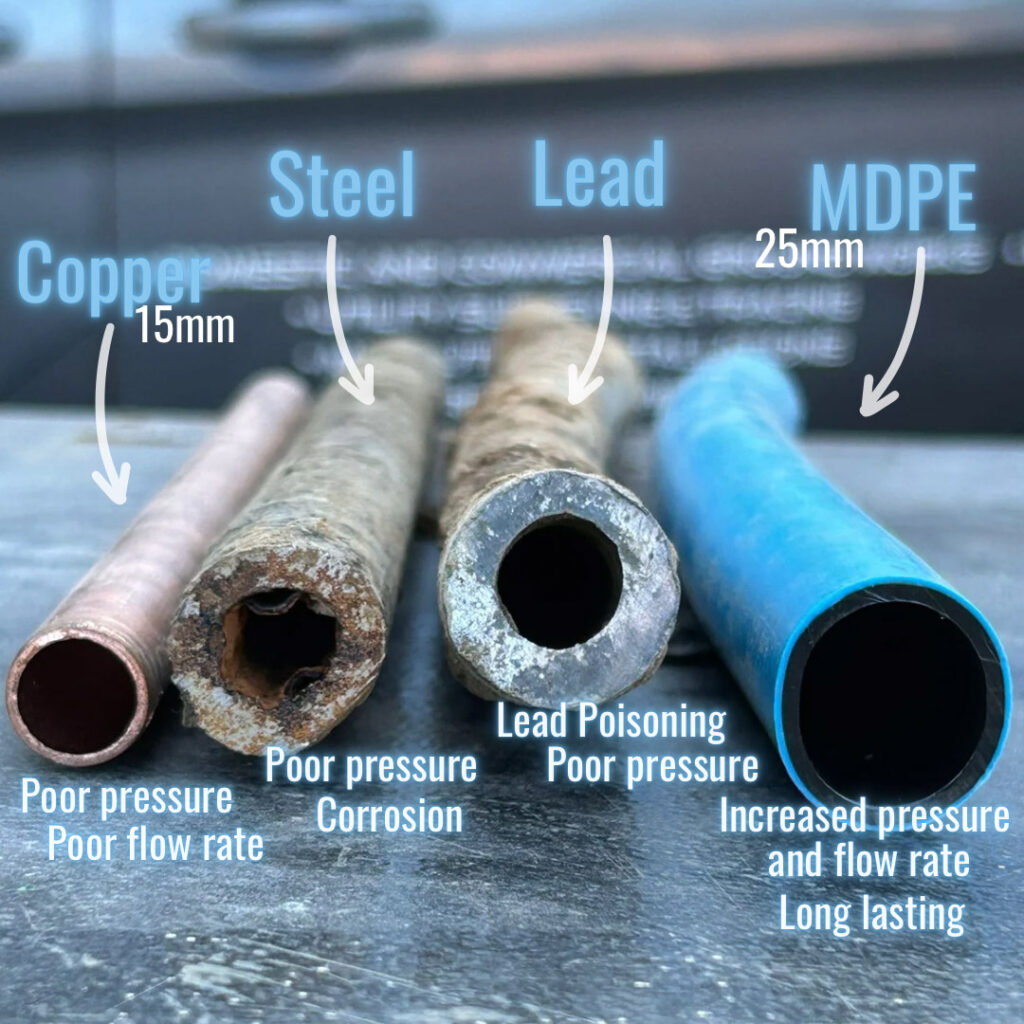
Grey-coloured pipes with a dull appearance, easily scratched to reveal shiny silver beneath
Pipes that feel soft or can bend under slight pressure
Unusual plumbing layouts or joints made with old solder
The best way to confirm the presence of lead pipes is through a professional plumbing inspection or a certified water quality test.
Steps to Protect Your Household
Immediate actions to minimise lead exposure:
Check Your Plumbing: Visually inspect pipework or arrange for a professional plumber assessment.
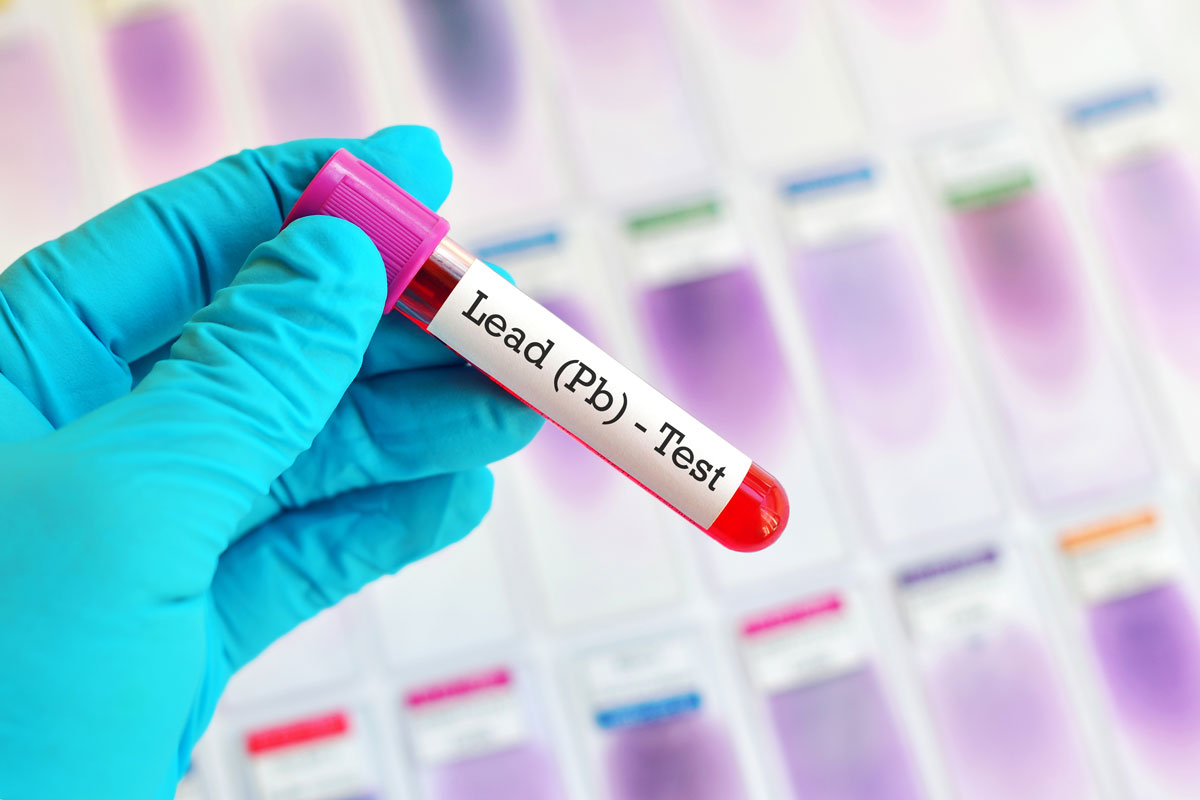
Test Your Water: Use a government-approved lead testing kit or have water samples analysed professionally.
Flush Your System: Let cold water run for several minutes before using for drinking or cooking, especially after periods of inactivity.
Use Certified Filters: Install NSF-certified water filters designed to remove lead.
Avoid Hot Tap Water for Consumption: Hot water increases the risk of lead leaching from pipes.
Replace Lead Pipes: The ultimate, long-term solution is to upgrade to modern, lead-free plumbing materials.
Professional Lead Pipe Replacement
At CW Pipewise, our mission is to eliminate lead risks from domestic water systems. Our expert team will:
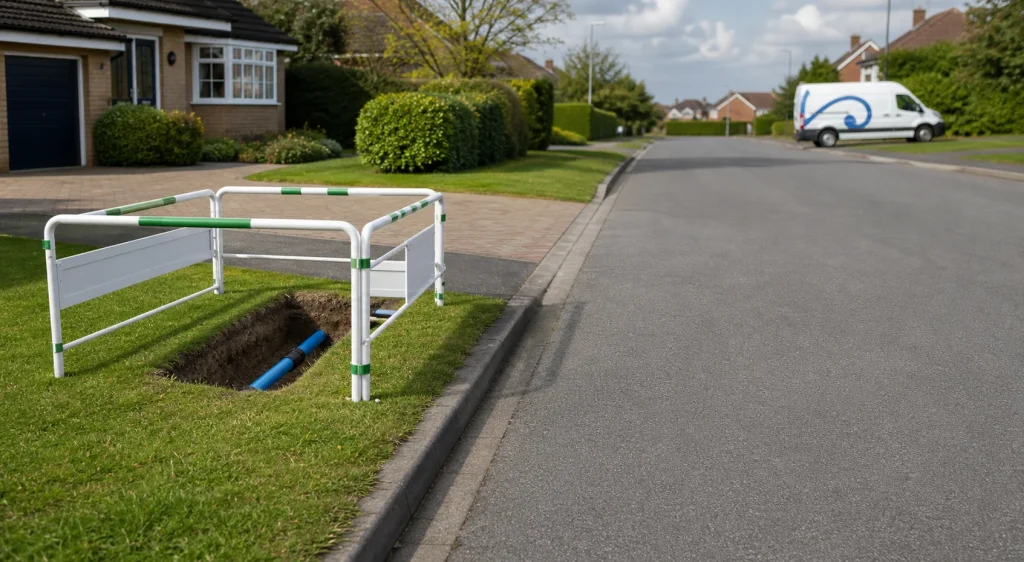
Conduct thorough surveys to identify lead plumbing
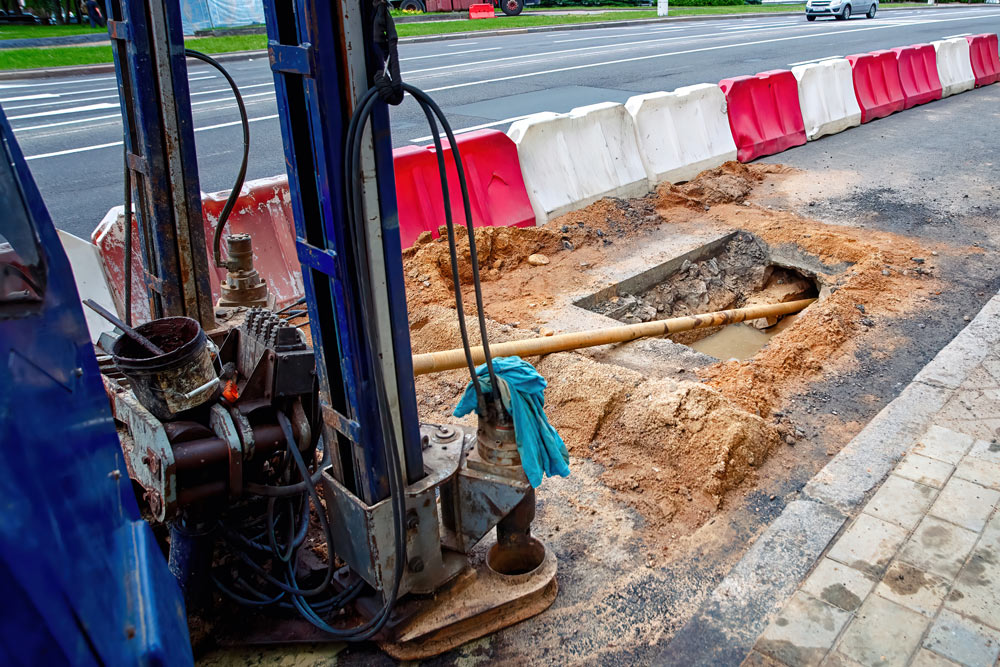
Replace outdated pipes with safe, durable alternatives
Deliver bespoke solutions adhering to local authority guidelines
Minimise disruption to your daily routine
Take Action Now
Don’t let hidden lead in your drinking water compromise your family’s health. Contact CW Pipewise today to schedule your consultation and take the crucial step towards cleaner, safer water.
Visit cwpipewise.co.uk or call our team directly. We’re here to help ensure your home is safe and healthy for years to come.