In the fast-paced world of business, it is easy for something as seemingly minor as a water leak to go unnoticed. Yet, beneath the surface, a leak can pose significant risks, quietly draining money, threatening operations, and even damaging a company’s reputation.
For organisations of all sizes, from small offices to large manufacturing plants, regular water leak inspections are an essential part of protecting assets and ensuring smooth day-to-day operations.
What many businesses fail to realise is that water leaks are rarely harmless. Even a small, slow drip can escalate into a costly issue if left unchecked, leading to structural damage, health concerns, and spiralling utility bills.
By making water leak inspections part of routine maintenance, businesses can take proactive control, safeguarding themselves against both immediate disruption and long-term financial strain.
Understanding Water Leaks in Commercial Properties
Leaks within commercial properties can arise from a variety of sources, including ageing infrastructure, poorly fitted joints, or wear and tear on plumbing systems.
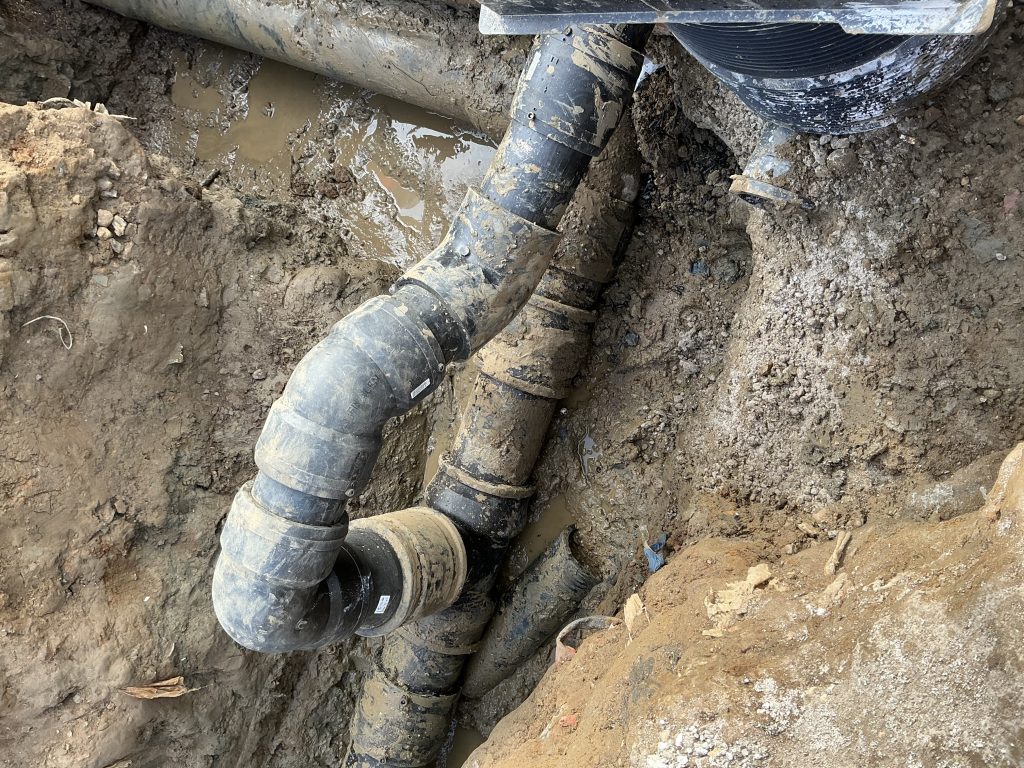
In larger premises, such as warehouses or office blocks, leaks are often harder to detect because they may occur in hidden areas like underground pipework or behind walls.
These hidden leaks can persist unnoticed for months, causing gradual damage that only becomes apparent once it is severe.
Areas most prone to leaks in business properties tend to be kitchens, staff bathrooms, and heating or cooling systems, particularly in older buildings.
For companies with industrial processes that rely heavily on water, leaks may also occur in specialist equipment. Spotting the difference between obvious leaks and more discreet ones is challenging, which is why thorough inspections by experienced professionals are vital.
The Financial Impact of Water Leaks
One of the most immediate consequences of a leak is the rise in water bills. Even a small but consistent leak can waste thousands of litres of water every year, adding unnecessary expense to overheads.
For businesses operating on tight margins, these hidden costs can quickly accumulate, eating into profits without providing any return.
Beyond higher bills, the longer-term financial implications can be even more damaging. Left unchecked, leaks can lead to extensive water damage requiring costly repairs. Carpets, ceilings, and flooring may need replacing, while damaged equipment or IT systems can lead to additional expenses.
In some cases, insurance providers may decline claims if inspections and maintenance are shown to have been neglected, leaving businesses to shoulder the financial burden.
Operational and Business Risks
The operational impact of leaks can be severe, particularly for industries reliant on continuous output. A major leak or flooding incident can force businesses to halt operations, resulting in downtime that directly affects revenue.
In retail or hospitality, this could mean closing premises to customers, while in manufacturing, even a short interruption may cause supply chain delays.
Leaks also have the potential to damage essential infrastructure, from electrical systems to stock and machinery.
For office-based organisations, water damage to servers or electrical cabling can cause significant disruption, leading to data loss and prolonged downtime.
In today’s competitive market, where customer expectations are high, any interruption to service risks not only immediate revenue loss but also long-term reputational damage.
Health and Safety Concerns
Water leaks create an environment where mould and damp thrive, and this can have serious implications for employee health. Prolonged exposure to mould spores is known to trigger respiratory issues, allergic reactions, and other health conditions.
A business that fails to address such risks not only jeopardises staff wellbeing but may also face legal action if it is deemed negligent.
In addition, leaks can pose physical hazards in the workplace. Pools of water on floors increase the risk of slips, trips, and falls, which remain one of the most common workplace accidents.
Employers are legally obligated to maintain a safe working environment, and regular inspections to prevent hazards such as leaks form a crucial part of health and safety compliance.
Environmental Responsibility
Undetected leaks do not just affect businesses financially—they also have an environmental impact. With water conservation increasingly important, wasting thousands of litres unnecessarily is both irresponsible and unsustainable.
Modern businesses are expected to operate with an awareness of their environmental footprint, and water leaks undermine these efforts.
For organisations with published sustainability goals or corporate social responsibility (CSR) initiatives, avoiding water wastage is an essential step. Regular inspections support a company’s green commitments by ensuring resources are used efficiently.
Beyond compliance, this also provides a reputational benefit, demonstrating to clients and stakeholders that the business takes sustainability seriously.
The Benefits of Regular Water Leak Inspections
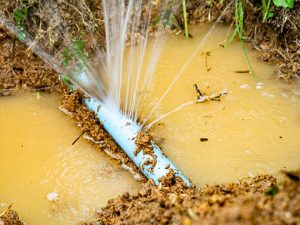
Conducting regular inspections allows businesses to detect leaks early, often before they cause significant damage. This preventive approach saves money in the long term, as repairs to minor issues are far less costly than dealing with widespread structural damage or water damage to equipment.
By staying ahead of problems, businesses can better allocate their budgets and avoid unexpected expenses.
In addition to cost savings, inspections extend the lifespan of plumbing infrastructure and connected assets. By catching small weaknesses or faults early, businesses can ensure that their facilities operate reliably and efficiently.
For facilities managers and business owners, this peace of mind is invaluable, knowing that hidden problems are unlikely to compromise operations.
How Often Should Businesses Conduct Leak Inspections?
The frequency of water leak inspections will vary depending on the type of business and the property itself. Older buildings, or those with a history of plumbing issues, may require more frequent checks.
Similarly, businesses that rely heavily on water for production or services will benefit from more regular inspections compared with office-based organisations with lower water usage.
As a general rule, an annual inspection is a sensible minimum, but many facilities managers opt for bi-annual or quarterly checks to ensure complete peace of mind.
Keeping thorough inspection records is also vital, both for internal planning and for demonstrating compliance with insurance or regulatory requirements.
Professional vs. In-House Inspections
While basic checks can be carried out in-house, such as monitoring water bills for unexpected spikes or visually inspecting for leaks, these measures are limited.
Staff may not have the expertise or equipment to identify hidden leaks that occur behind walls, under floors, or within underground piping.
Relying solely on in-house monitoring leaves businesses vulnerable to missing issues.
Professional inspections, on the other hand, use advanced technology such as acoustic sensors, thermal imaging, and moisture detection equipment.
These tools allow for precise detection without the need for invasive work. Although hiring specialists carries an upfront cost, this is usually far outweighed by the savings generated from avoiding major repair bills.
Conclusion
Regular water leak inspections are not simply a maintenance task; they are an investment in the longevity and resilience of a business. By identifying problems early, companies can protect their finances, maintain safe working environments, and uphold their environmental commitments.
The benefits far outweigh the costs, making inspections a practical and responsible choice.
For business owners and facilities managers, the message is clear: do not wait for a leak to become a problem before taking action.
Scheduling regular inspections is the smartest way to protect your property, your people, and your profits. Prevention is always cheaper—and safer—than cure.