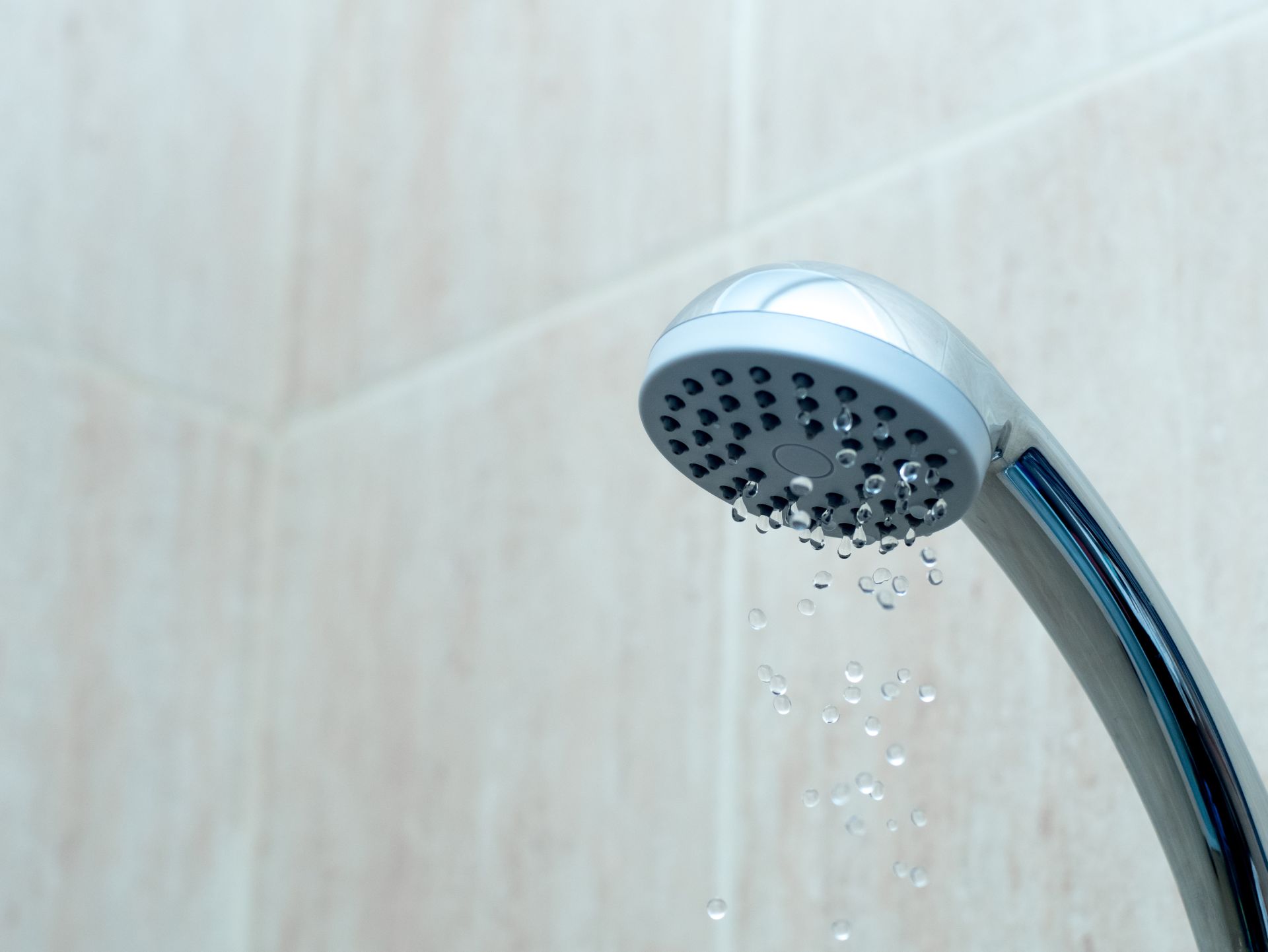
Water pressure plays a crucial role in everyday home life. Whether you’re running a bath, filling the kettle, or enjoying a warm shower, steady water pressure ensures everything works smoothly.
When that pressure drops, it can turn these simple tasks into frustrating chores and might even be a sign of underlying plumbing problems.
In this blog, we’ll explore what causes a drop in water pressure, how to identify the issue, and the steps you can take to fix it.
Whether you live in a flat with a shared water supply or an older property with dated pipework, understanding the cause of low water pressure is the first step to solving it effectively.
What Is Water Pressure?
Water pressure is the measure of the force that pushes water through your pipes and fixtures. It’s what allows water to flow from taps, showers, and appliances at a usable rate.
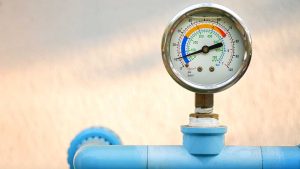
In the UK, pressure is typically measured in bars, where one bar is the force needed to raise water to a height of 10 metres.
Most households run well with a pressure of 1 to 3 bars, depending on location and building height.
If your water pressure falls below this range, you may notice sluggish water flow, particularly in upper floors or at peak usage times. On the other hand, pressure that’s too high can cause unnecessary wear on pipes and appliances.
That’s why maintaining the correct pressure is essential for both comfort and the long-term health of your plumbing system.
Common Causes of Water Pressure Drops
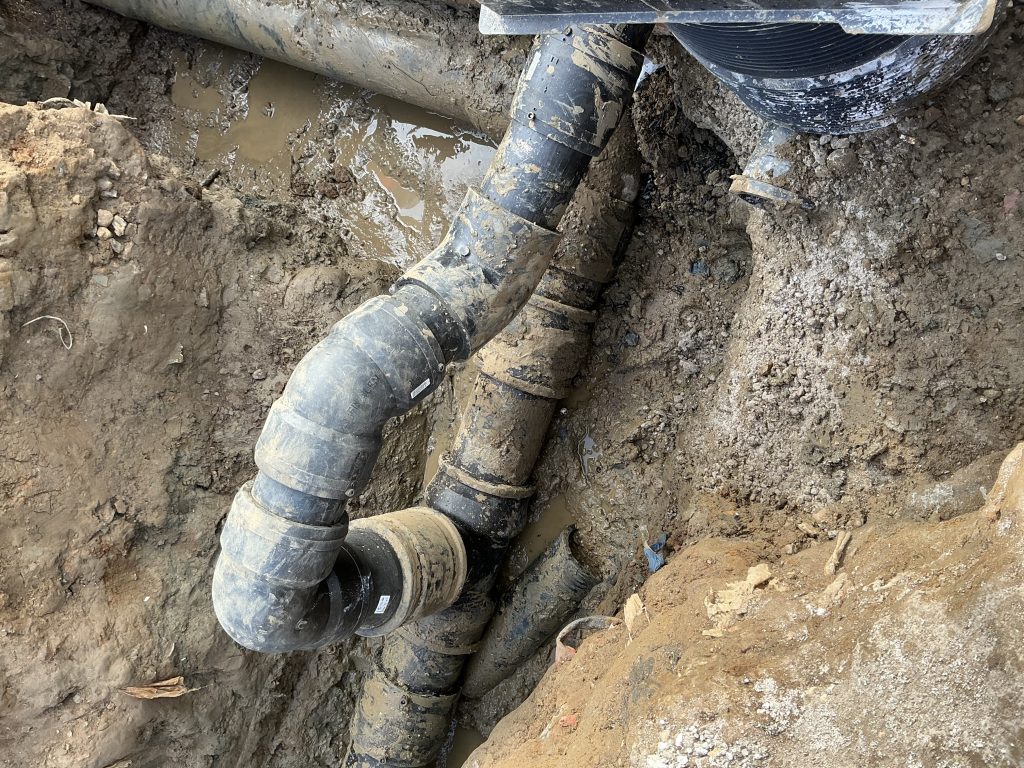
One of the most frequent causes of low water pressure is a leak somewhere in the system. Even a small, undetected leak can reduce pressure noticeably across a property. In more severe cases, a burst pipe could cause a sudden and dramatic drop.
These issues not only waste water but can also lead to damp, structural damage, and costly repairs if left unresolved.
Another common cause is blockages or a build-up of debris within your pipes. Over time, mineral deposits like limescale, rust, or sediment can accumulate, particularly in older or metal pipes.
This build-up narrows the internal diameter of the pipe, reducing the amount of water that can pass through and leading to a slower, weaker flow from taps and fixtures.
Diagnosing the Issue
If you’re experiencing low water pressure, it’s important to first determine whether the issue is isolated or affecting the entire property.
Check if all your taps are impacted or just one area, for example, the shower upstairs or the kitchen sink downstairs.
It’s also worth asking neighbours whether they’ve noticed any changes, as this can indicate whether the issue is related to your home or part of a wider network problem.
You can also carry out a few simple checks yourself, such as inspecting visible pipework for leaks or checking your internal stop tap is fully open. If you’re confident with basic DIY, you might examine aerators or clean limescale from tap fittings.
However, if the source of the problem isn’t obvious or if you’re unsure how to proceed, it’s always best to contact a professional for a proper diagnosis.
Solutions and Fixes
If the problem is internal, there are several practical solutions you can try. Start with the basics: cleaning blocked tap aerators, running hot water to dissolve minor limescale build-up, or bleeding your radiators to remove trapped air.
Ensuring your internal stopcock is fully open can also make a noticeable difference to flow, especially if it has been partially closed during previous plumbing work.
For more complex problems, professional help is often necessary. A plumber may carry out advanced leak detection using acoustic or thermal imaging tools to locate hidden issues.
If your home has very old pipework, it might be time to consider replacing or relining pipes altogether. In some properties, fitting a pressure booster pump is an effective way to restore and maintain consistent water flow throughout the home.
Liaising with Your Water Supplier
Sometimes, the problem lies beyond your property boundary. If you’ve ruled out internal issues and suspect a wider problem, it may be worth contacting your local water supplier.
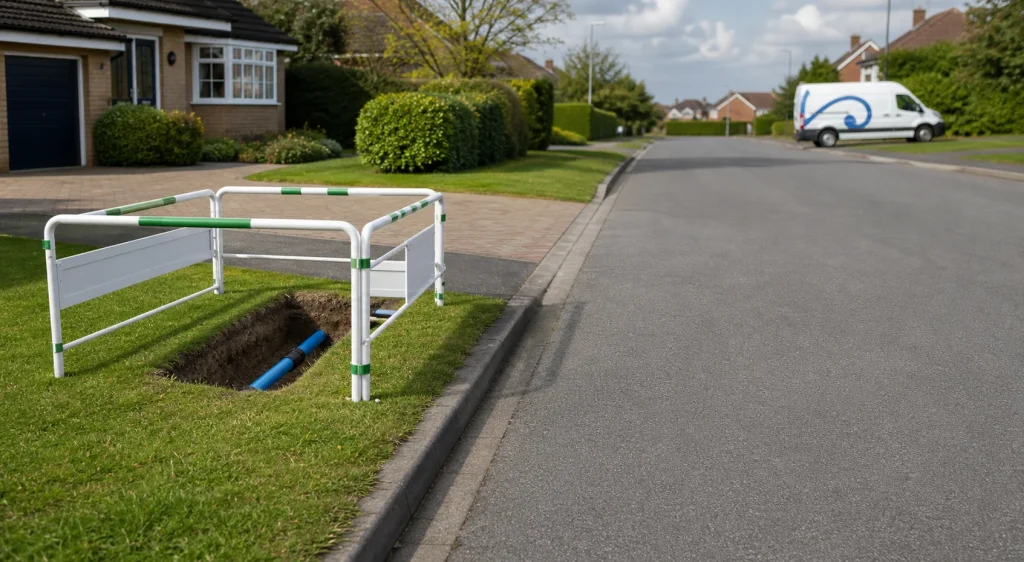
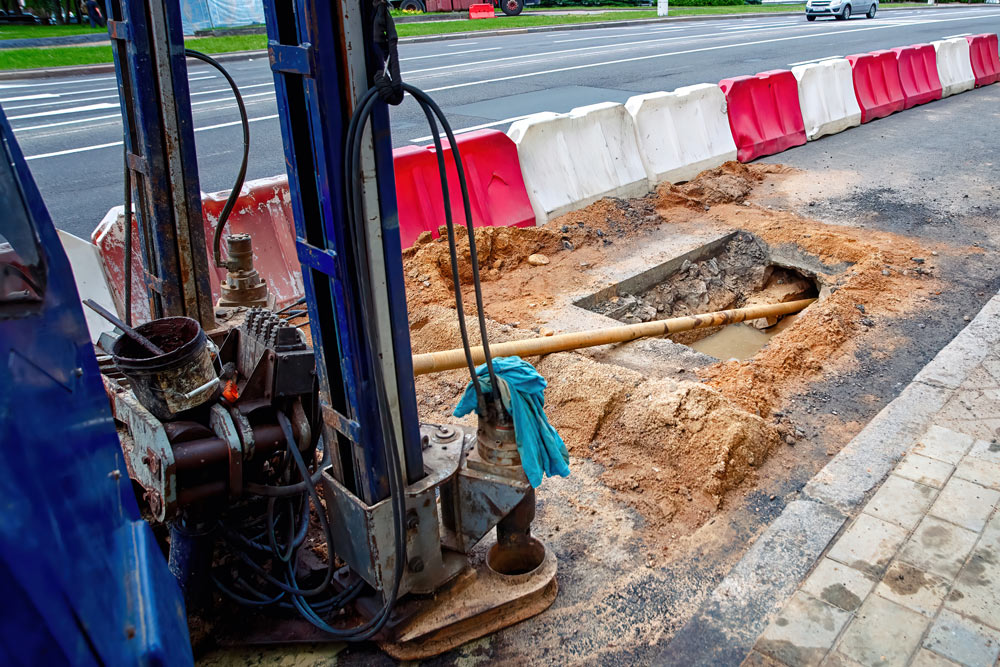
They can confirm whether there’s been a drop in mains pressure, scheduled maintenance, or a burst main in the area. Many companies also offer real-time updates on network issues through their websites or helplines.
If the issue persists and is confirmed to be on their side, you may be entitled to a resolution timeframe or even compensation in some cases. It’s helpful to keep a log of when the problem started, what steps you’ve taken, and any communications with the supplier.
This can make the process smoother should you need to escalate the matter further.
Preventing Future Problems
The best way to avoid unexpected drops in water pressure is through regular plumbing maintenance. Simple habits, like checking for leaks under sinks, monitoring for unusual sounds in the pipes, or servicing your boiler annually, can all help identify small issues before they turn into bigger problems.
In areas with hard water, installing a water softener can also reduce limescale build-up.
If your home still uses older galvanised steel or lead pipes, consider upgrading to modern alternatives such as copper or plastic.
These are more resistant to corrosion and build-up, improving both water quality and flow. By staying proactive with your plumbing system, you can ensure consistent pressure and avoid the inconvenience of sudden failures.
Conclusion
Water pressure is something most of us don’t think about—until it becomes a problem. Whether it’s caused by internal leaks, blockages, ageing pipework, or issues with the external supply, a sudden loss in pressure can quickly disrupt daily routines.
Thankfully, most causes can be identified and resolved with a structured approach.
If you’re unsure where to start or the problem persists despite your best efforts, CW Pipewise is here to help.
With expert knowledge, advanced diagnostics, and a commitment to customer satisfaction, we can restore your water pressure efficiently and professionally.
Get in touch today for a friendly, no-obligation assessment.