When winter arrives in the UK, freezing temperatures can often catch homeowners off guard. One week, it may feel relatively mild, and the next, overnight frost can settle in and start causing problems behind the scenes.
Water pipes, especially those tucked away in less-used areas of the home, are particularly vulnerable. Many people only realise there is an issue when a tap suddenly stops working or, worse, when water starts leaking through a ceiling.
Frozen pipes are not just an inconvenience. They can lead to costly repairs, disrupted routines, and long-term damage if left unchecked.
This article looks at why pipes freeze, how to spot the warning signs, and what practical steps you can take to reduce the risk. With a bit of awareness and preparation, many winter plumbing problems can often be avoided.
How and Why Water Pipes Freeze
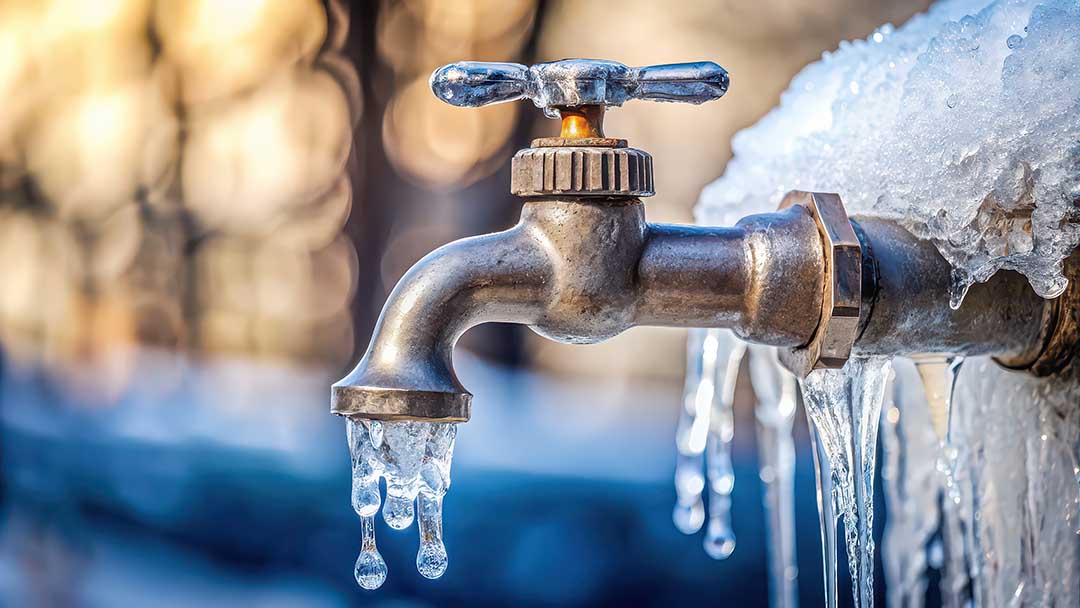
Water expands as it freezes, which is where the main problem begins. When temperatures drop low enough, the water inside pipes starts to turn to ice and takes up more space.
This expansion puts pressure on the pipe walls, particularly in narrow or older pipework. Over time, or sometimes very suddenly, this pressure can cause cracks or complete bursts.
Certain pipes are more exposed than others. Those in lofts, garages, basements, and along external walls tend to feel the cold first.
Properties with poor insulation or older heating systems may also be more at risk. Even well-maintained homes can be affected during prolonged cold spells, especially if parts of the property are rarely heated.
Early Warning Signs of Frozen Pipes
One of the first signs of a frozen pipe is reduced water flow. You may turn on a tap and notice only a trickle coming through, or nothing at all.
This often happens in the morning after a particularly cold night. In some cases, only one tap is affected, which can point to a localised freeze.
Other warning signs can be more subtle. You might hear strange noises in the pipes, such as banging, whistling, or gurgling.
Exposed pipes may also show visible frost or feel unusually cold to the touch. These early clues are easy to dismiss, but paying attention to them can help prevent bigger problems later.
The Risks of Burst and Damaged Pipes
When water freezes and expands, pressure builds up inside the pipe. Eventually, something has to give.
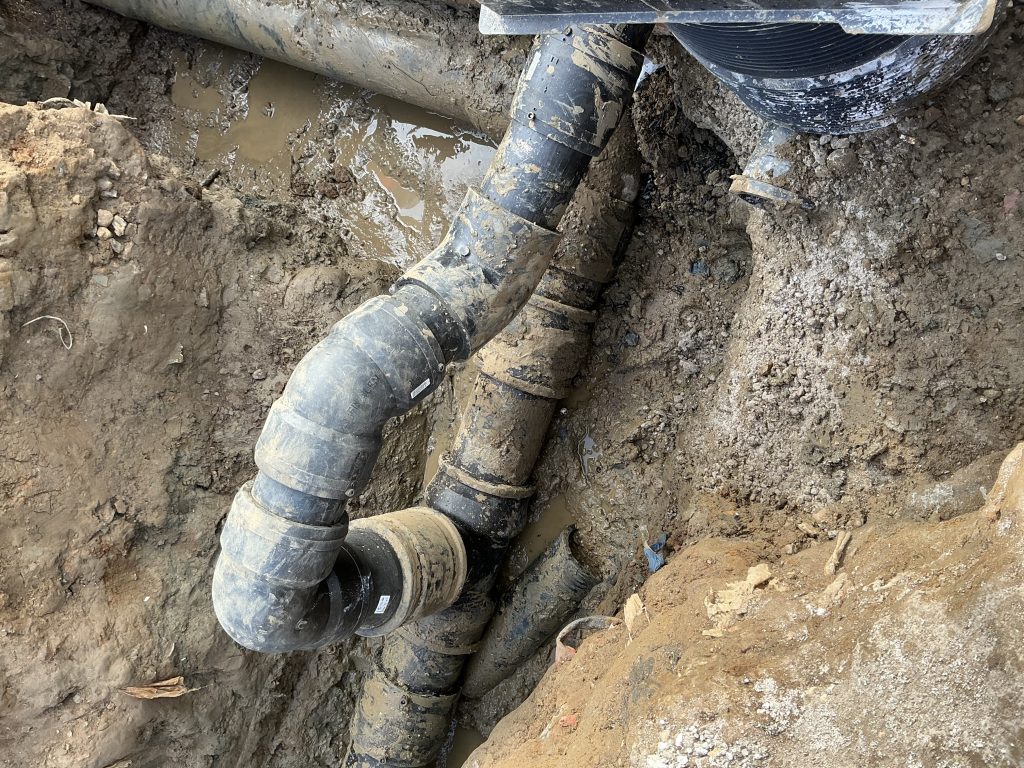
Sometimes the pipe cracks slightly, creating a slow leak that goes unnoticed for weeks. In other cases, it can split open completely, releasing a large volume of water once the ice melts.
The damage from burst pipes can be extensive. Water can soak into walls, floors, and ceilings, weakening structures and encouraging mould growth.
Electrical systems may also be affected, creating potential safety hazards. What starts as a small winter issue can quickly turn into a major household repair job.
Immediate Steps to Take If Pipes Freeze
If you suspect a pipe has frozen, the first step is to turn off the main water supply. This helps limit potential damage if the pipe bursts during thawing.
It is also wise to open the affected tap slightly, as this allows pressure to escape once the ice starts to melt.
Thawing should always be done gently. Using a hairdryer, warm towels, or a portable heater at a safe distance can help raise the temperature slowly.
Open flames, blowtorches, or boiling water should never be used, as they can damage pipes and create serious fire risks. If you are unsure, contacting a professional is often the safest option.
Long-Term Prevention and Winter Preparation
One of the most effective ways to prevent frozen pipes is proper insulation. Pipe lagging, foam sleeves, and insulating jackets for water tanks can make a noticeable difference.
These materials are relatively inexpensive and can be fitted in most homes without major disruption.
Maintaining some level of heating during cold spells is also important, even if you are away. Leaving the thermostat on a low setting helps keep the pipework above freezing.
In freezing weather, letting taps drip slightly and protecting outdoor taps can further reduce the risk of freezing.
When to Call a Professional Plumber
While some minor issues can be dealt with at home, there are times when professional help is essential.
If a pipe has burst, if leaks are hidden behind walls, or if you cannot locate the frozen section, a qualified plumber should be contacted. Attempting complex repairs without experience may worsen the situation.
A professional inspection can also be useful as a preventative measure.
Plumbers can identify weak points, ageing pipework, and insulation gaps that may not be obvious. Addressing these issues early often saves money and stress in the long run.
Cost Implications and Insurance Considerations
Repairing frozen or burst pipes can be expensive. Costs may include emergency call-outs, pipe replacement, plaster repairs, redecorating, and drying out damp areas.
Even a small leak can result in significant bills if it goes unnoticed for too long.
Home insurance may cover some types of water damage, but this depends on the policy. Many insurers expect homeowners to take reasonable steps to prevent freezing.
Failing to maintain heating or insulation may affect a claim. Taking photos and keeping records of any damage can help if you need to contact your insurer.
Conclusion
Frozen water pipes are a common winter problem in the UK, but they are not inevitable. Understanding why pipes freeze and recognising the early signs can make a real difference.
With sensible precautions, many of the most serious risks can be reduced.
Preparing your home before winter sets in is usually time well spent. Simple measures such as insulation, regular checks, and sensible heating use can help protect your property.
By staying alert and acting quickly when issues arise, you can keep your plumbing system running smoothly throughout the colder months.