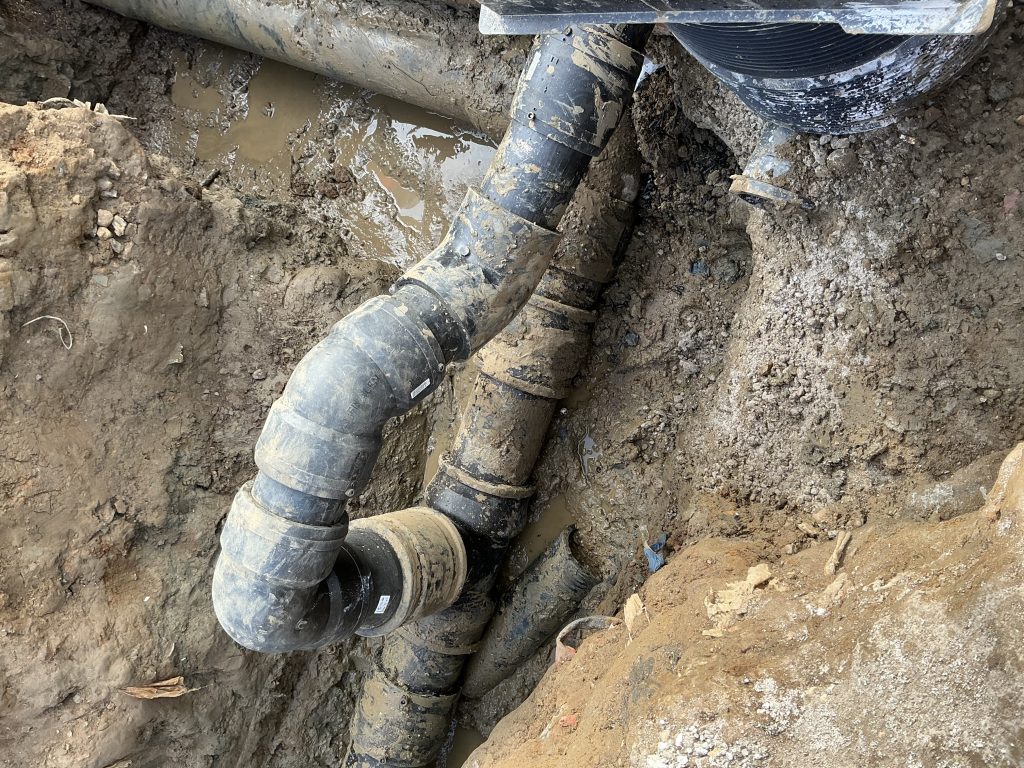
When underground pipes, cables, or water supply lines need replacing, many homeowners immediately picture their driveway being dug up from one end to the other. It is an understandable worry.
Driveways, patios, paths, and landscaped gardens are not cheap to install, and the thought of tearing them apart for underground work can feel frustrating before the job has even started.
Pipe moling offers a less disruptive way to install or replace certain underground services. Instead of digging one long trench, it allows pipework or ducting to be installed beneath the surface with far less disturbance above ground.
It can be a very practical option, although it is not suitable for every property or every route, so a proper assessment is always important.
What Is Pipe Moling?
Pipe moling is a trenchless method used to install pipes, ducts, or cables underground without opening up a full trench across the surface.
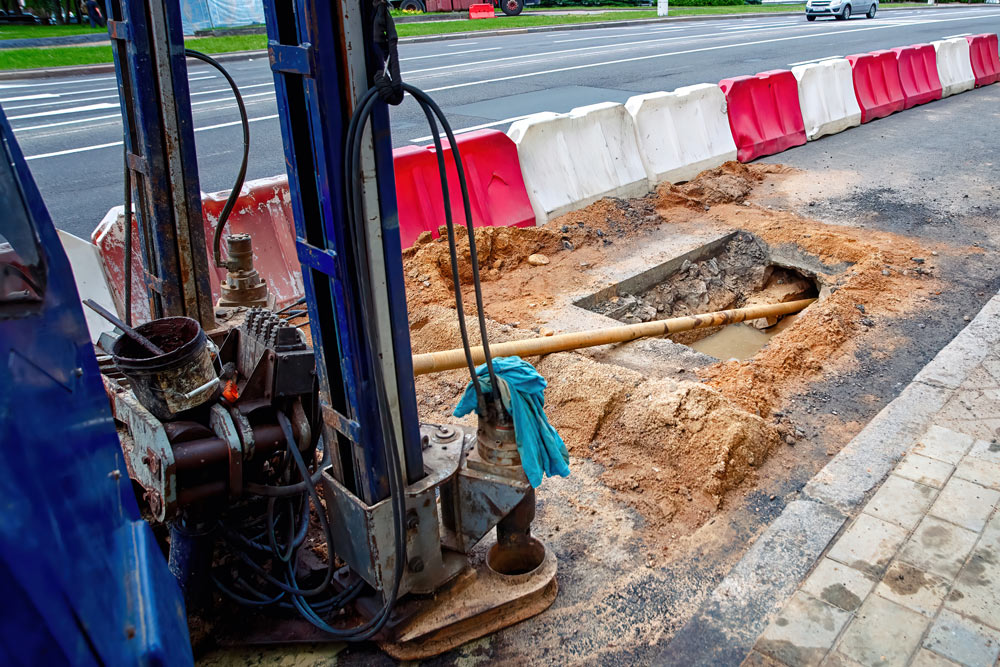
A specialist machine, often referred to as a mole, moves through the ground and creates a pathway beneath driveways, gardens, paths, or other surfaces. Once the route has been made, the new pipe or duct can be pulled through.
This method is commonly used for water supply pipe replacements, cable ducting, and other underground service installations. For homeowners, the primary appeal is straightforward: it can reduce the amount of digging required.
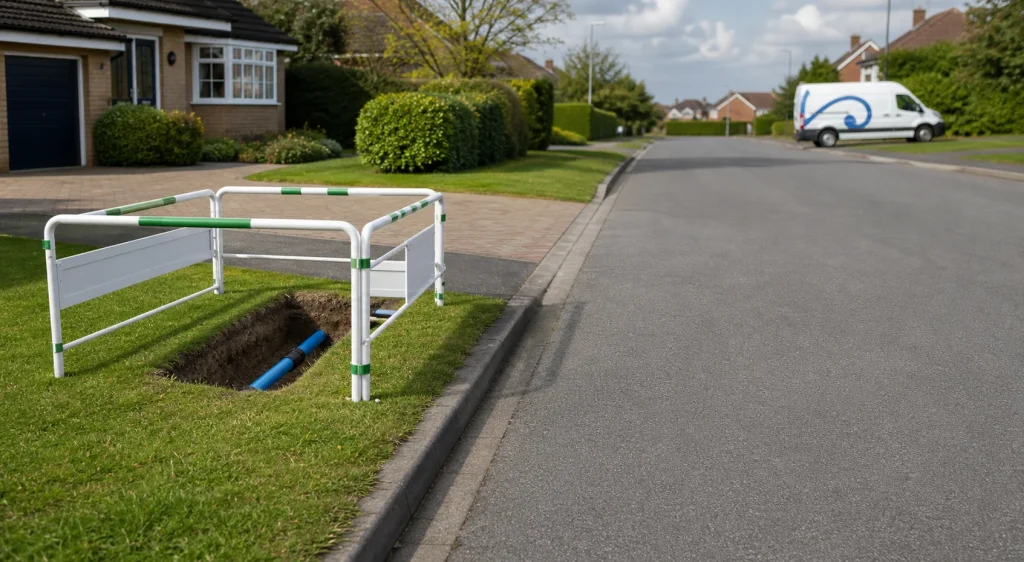
Rather than lifting large areas of concrete, tarmac, block paving, or lawn, the work may only require smaller access points at either end of the route.
How Does Pipe Moling Work?
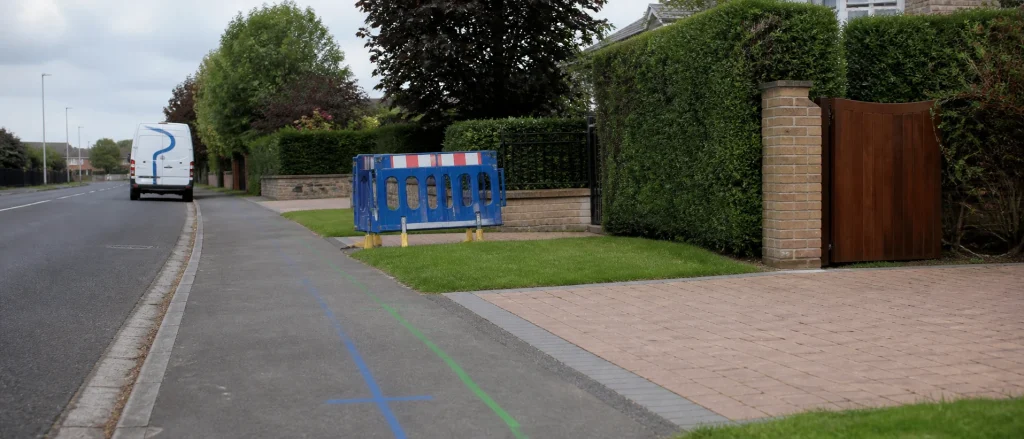
The process usually begins with a site assessment to check the proposed route, ground conditions, and any existing underground utilities.
Once the contractor has confirmed that moling is suitable, small access pits are dug at the start and end points. The mole is then launched from one pit and guided underground towards the other.
As the mole travels through the ground, it forms a channel for the new pipe or duct. The pipe can then be pulled through the newly created route.
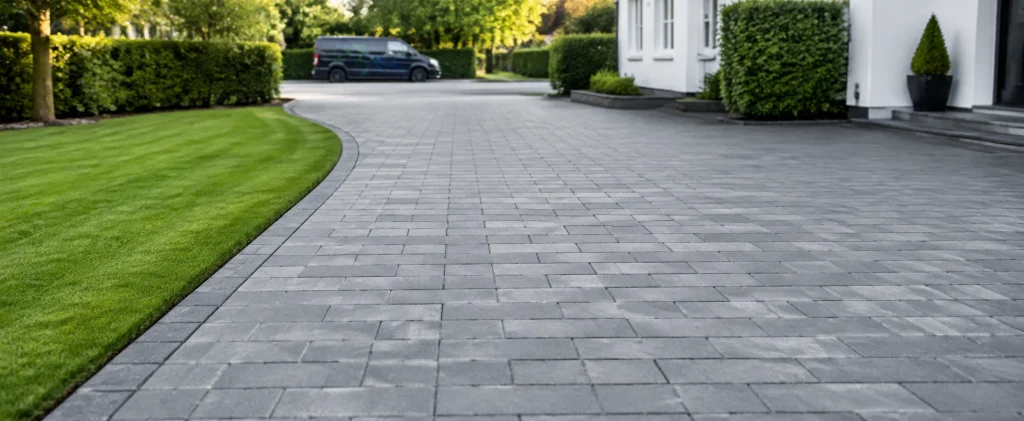
Because the surface above is left largely untouched, pipe moling can be especially useful where the pipe needs to pass beneath a driveway, patio, pathway, or garden that the homeowner wants to preserve.
Why Homeowners Choose Pipe Moling
One of the main reasons homeowners choose pipe moling is the reduction in disruption. Traditional excavation can involve digging a long trench, removing large amounts of material, and then reinstating the surface afterwards.
With moling, the work is often neater, more contained, and less intrusive for the property owner.
It may also reduce the amount of repair work needed once the pipe has been installed. If a driveway is dug up, matching the existing surface can sometimes be difficult, especially with older block paving, patterned concrete, or weathered tarmac.
Pipe moling may help avoid that problem by keeping most of the surface intact.
Is Pipe Moling Better Than Digging Up Your Driveway?
In many cases, pipe moling can be a better option than digging up your driveway because it avoids large-scale excavation.
This can mean less mess, less noise, fewer surface repairs, and a lower risk of leaving visible scars across the driveway. For many homeowners, that alone makes it worth considering.
That said, moling is not automatically the right answer for every job. Ground conditions, access, underground obstacles, and the layout of the property all affect whether it can be used safely.
Sometimes traditional excavation is still the more sensible option, particularly where the route is complicated or there are services in the way.
When Might Traditional Excavation Still Be Needed?
Traditional digging may still be needed if the ground is unsuitable for moling. Heavy obstructions, unstable ground, tree roots, shallow services, or awkward access can all make trenchless installation more difficult.
If there are unknown utilities below ground, a contractor may also need to expose certain areas carefully before continuing.
In some cases, the best solution is a mixture of both methods. For example, moling may be used to pass beneath the driveway, while smaller excavations are made near the boundary, pavement, stopcock, or connection point.
This balanced approach can still reduce disruption while allowing the work to be completed safely and correctly.
Will Pipe Moling Damage My Driveway or Garden?
Pipe moling is designed to minimise surface disruption, so in many situations the driveway or garden is left mostly untouched. Instead of a long trench, the contractor usually works from smaller access pits.
Once the new pipe or duct has been installed, these areas can be reinstated with much less visible disturbance than a full excavation would cause.
However, no underground work is completely without risk. The condition of the ground, the presence of nearby utilities, and the accuracy of the initial survey all matter.
This is why it is important to use an experienced contractor who can assess the route properly and explain any potential issues before work begins.
How Long Does Pipe Moling Usually Take?
The timescale for pipe moling depends on several factors, including the distance involved, the ground conditions, access to the site, and the type of pipe or duct being installed.
Some domestic water pipe replacement jobs may be completed relatively quickly, while more complex installations can take longer.
One of the advantages of moling is that it can reduce the time spent digging and reinstating surfaces. Even when the underground work itself needs careful planning, there is often less mess to clear and fewer surface repairs to complete afterwards.
For homeowners, this may mean less disruption to parking, access, and day-to-day use of the property.
Is Pipe Moling Suitable for Every Property?
Pipe moling is useful, but it is not suitable for every property. The contractor will need to consider soil type, underground obstructions, nearby utilities, available working space, and the route the pipe needs to take.
If the ground is too difficult or the route is not practical, another method may be recommended.
This is why a professional assessment is always worth arranging before deciding on the best approach.
A good contractor should be able to explain whether moling is possible, where access points would be needed, and whether any sections may still require excavation.
It is better to know this at the start rather than discover complications halfway through the job.
Why Professional Assessment Matters
Before any underground work begins, the site needs to be checked properly. Utility tracing, route planning, and ground assessment can help reduce the risk of hitting existing services or running into unexpected problems.
This is particularly important around driveways, gardens, pavements, and older properties where previous pipework may not be clearly mapped.
A proper assessment also helps homeowners understand the likely cost, timescale, and level of disruption. Rather than guessing whether moling or digging is best, you get advice based on the actual property and the work required.
That makes it easier to plan and choose the method that offers the most practical outcome.
Conclusion
Pipe moling can be an excellent alternative to digging up your driveway, especially when replacing water supply pipes or installing underground ducting.
It can reduce mess, protect existing surfaces, and make the whole process feel far less disruptive than traditional trench digging.
Still, it is not a one-size-fits-all solution. The right method depends on the ground, the route, the access, and what lies beneath the surface.
If you are considering pipe replacement or underground service installation, arranging a professional assessment is the best way to find out whether pipe moling is suitable for your property.