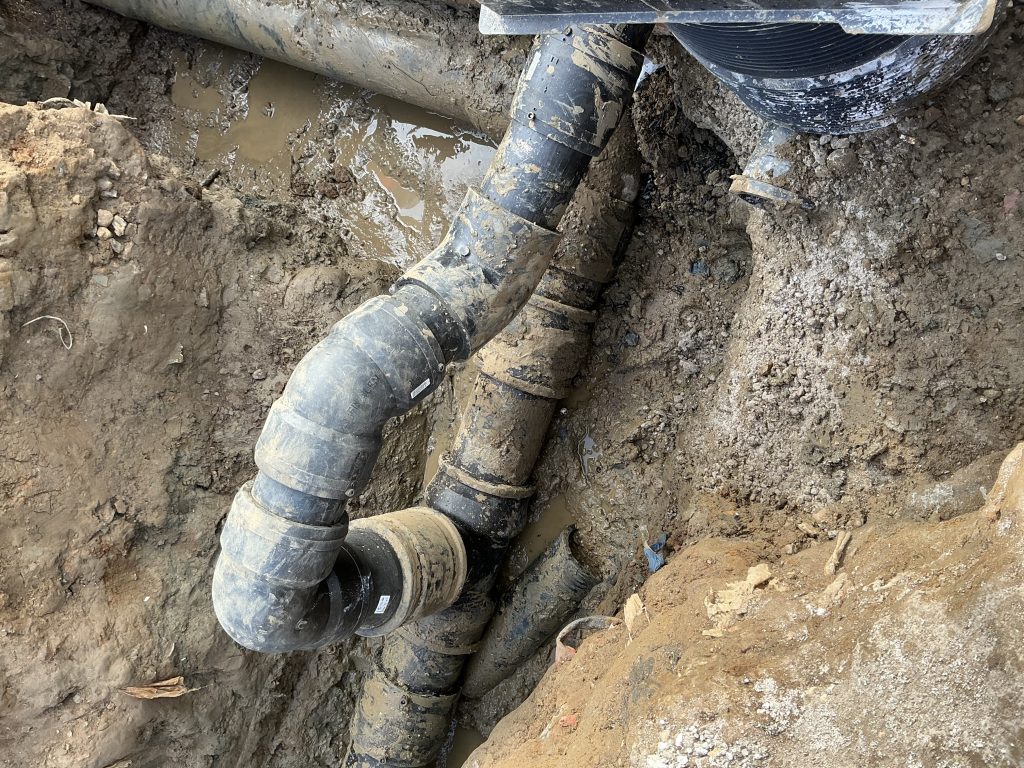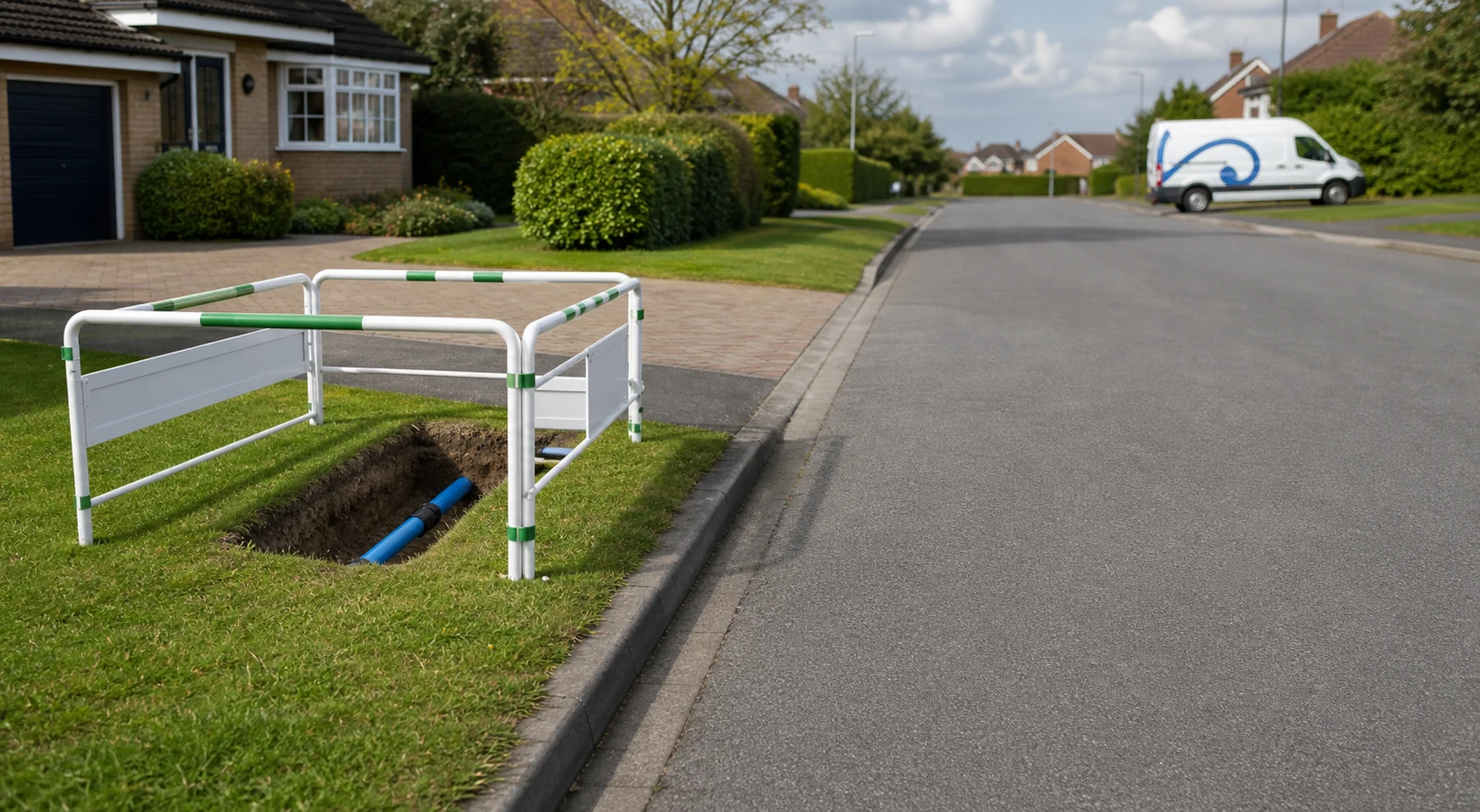
A new water pipe is only as reliable as the joints that connect it. During water pipe replacement, those connections need to cope with pressure, movement, ground conditions and everyday demand without becoming the weak point in the system.
Electrofusion welding is one of the methods used to create strong, consistent joints in modern plastic pipework. When paired with directional drilling, it helps installers complete trenchless pipe replacement with careful attention to both the route underground and the quality of the final connection.
Why joint quality matters in water pipe replacement
When people think about a new water pipe, they often picture the pipe itself first. The material, diameter and route all matter, but the joints deserve just as much attention. Every joint is a point where two sections of pipe, fittings or service connections must act as one continuous system. If the joint is poorly prepared or incorrectly made, the pipe may be new, but the installation can still be vulnerable.
This is especially important where old pipework is being replaced because of leaks, poor water flow, pressure concerns or outdated materials. A replacement scheme should solve the underlying problem, not simply move it to a new location. Good jointing helps protect the investment by reducing the risk of seepage, pressure loss and future disruption.
On trenchless projects, joint quality also supports the benefits of the installation method. Directional drilling can reduce the need for open excavation across surfaces, but once the new pipe is in place, the connection points still need proper care. The pipe route may be neat and efficient, yet the system only becomes dependable when the joints are made, cooled and checked correctly.
That is why professional teams treat jointing as a controlled process rather than a quick finishing task. Preparation, cleanliness, alignment and timing all affect the final result. A careful approach helps create a stronger water pipe installation that is ready for normal service and future demand.
What electrofusion welding does
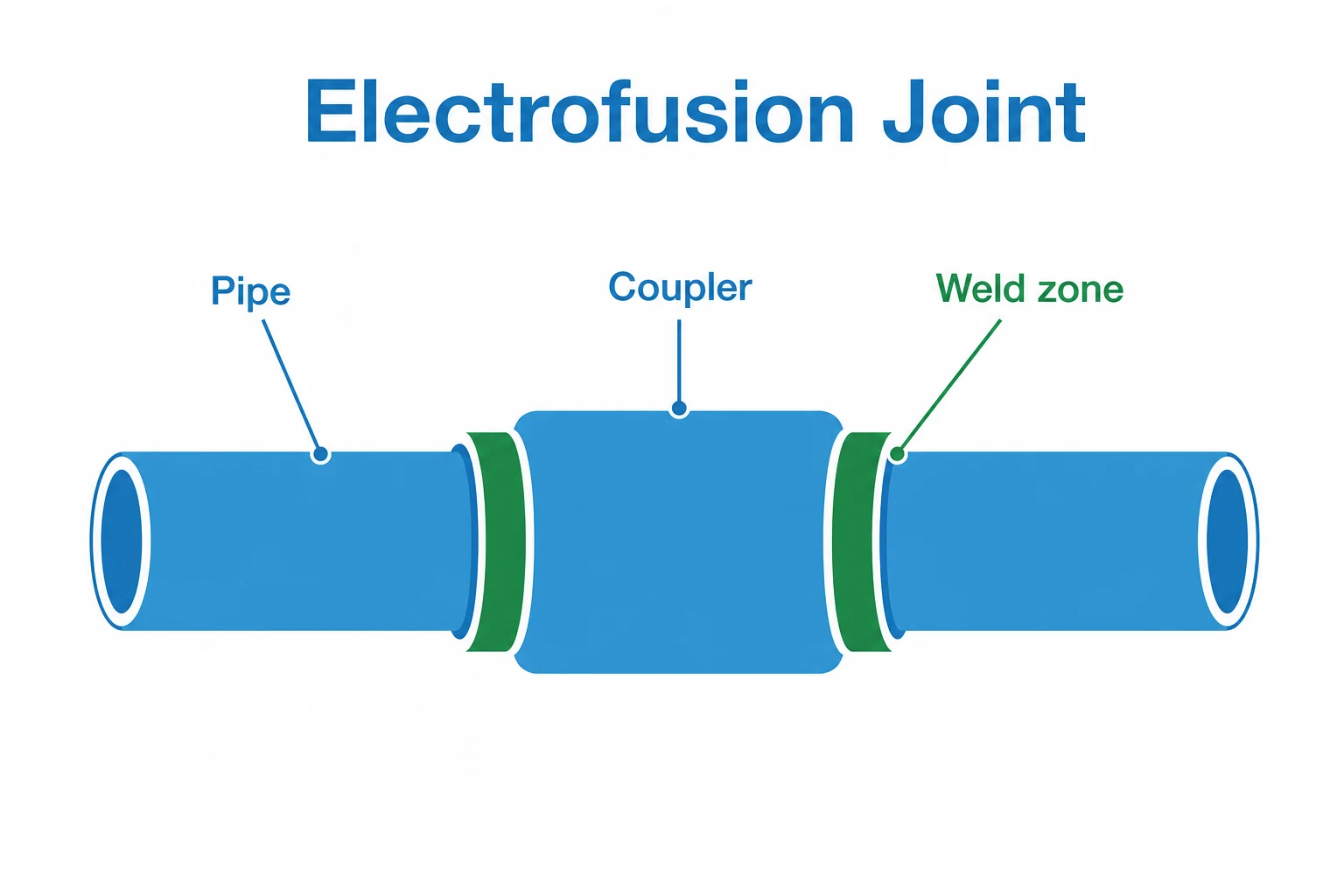
Electrofusion welding joins compatible plastic pipe and fittings using a specialist fitting that contains an embedded heating element. Once the pipe ends are prepared and inserted into the fitting, a welding control unit passes an electrical current through the element. The heat softens the surfaces of the fitting and pipe, allowing them to fuse together as the joint cools.
The aim is not simply to stick two parts together. A properly completed electrofusion weld forms a unified connection between the pipe and the fitting. This makes it well suited to water pipe replacement where strength, consistency and pressure integrity are important.
Preparation is a major part of the process. The pipe surface normally needs to be scraped to remove the outer oxidised layer, cleaned to remove contamination and marked so the installer can confirm the correct insertion depth. The pipe and fitting also need to be held still during the welding and cooling stages. Movement at the wrong moment can affect the joint.
This is where training and site discipline matter. Electrofusion welding is a technical process with equipment settings, fitting details and cooling times that must be followed. CW Pipewise provides professional electrofusion welding for pipework, which is relevant where new water pipe installations need controlled, durable joints.
For homeowners and property managers, the key point is simple. Electrofusion welding helps make the connection between sections of pipe more dependable when the process is carried out correctly. It supports the wider goal of replacing problem pipework with a modern system that can perform reliably.
How electrofusion supports directional drilling projects
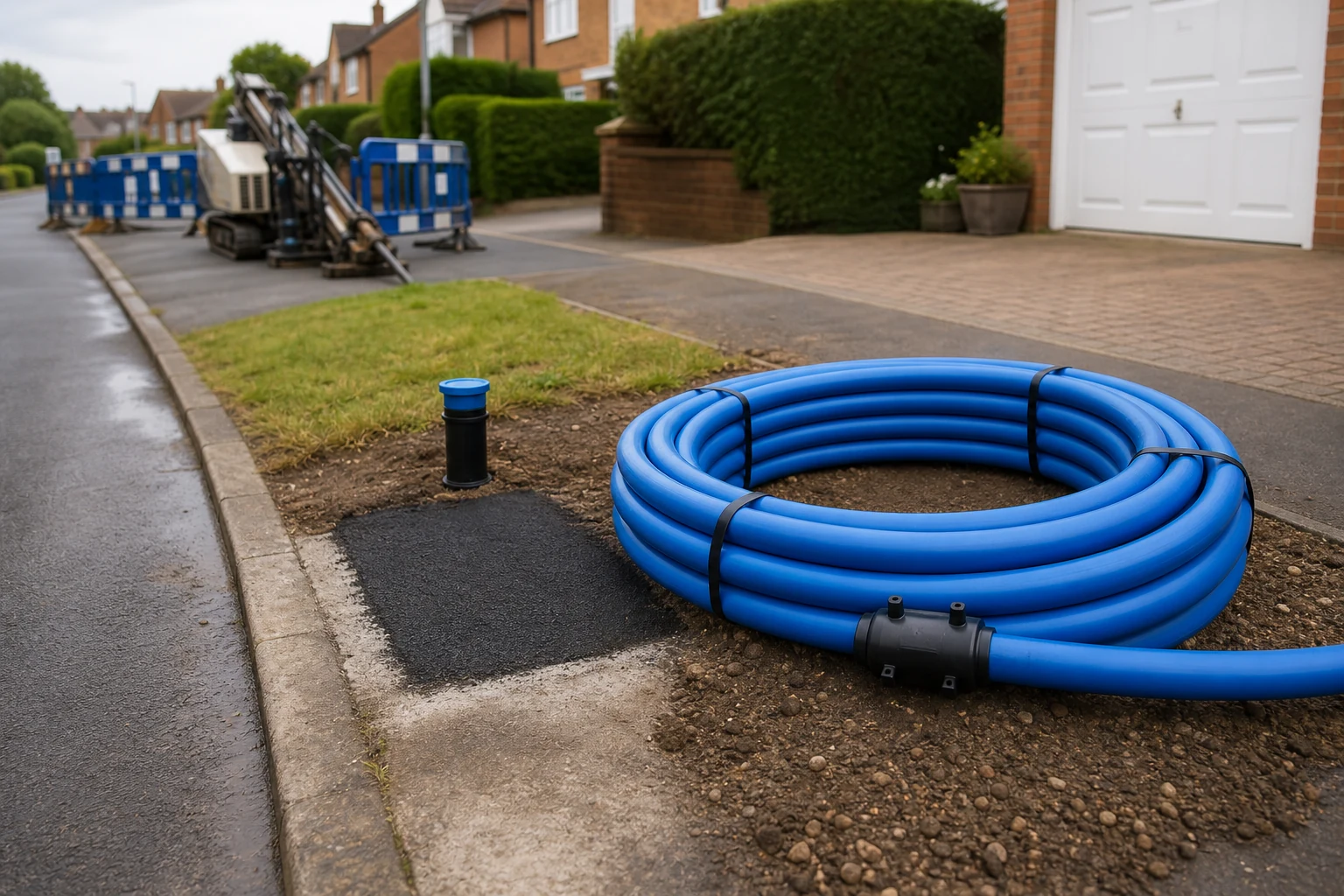
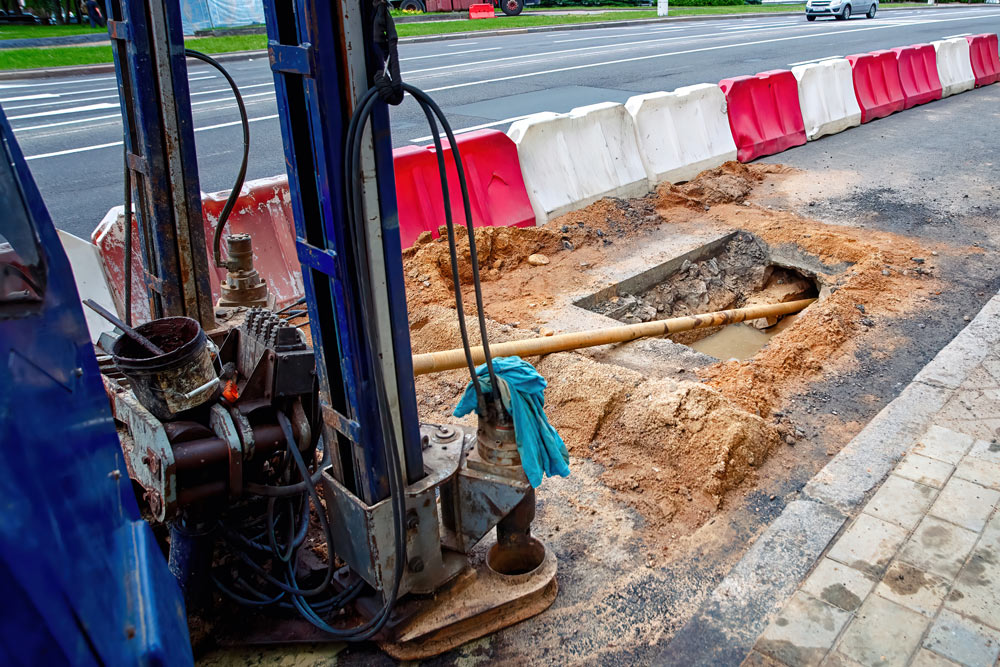
Directional drilling and electrofusion welding often work well together because they solve different parts of the same challenge. Directional drilling focuses on installing a new pipe route with less surface disruption than traditional open trenching. Electrofusion focuses on creating reliable joints once the pipe has been installed or connected.
On a typical trenchless water pipe replacement, the new pipe may be pulled through a drilled route or installed through a prepared pathway. The pipe still needs to be connected to existing infrastructure, fittings, valves or internal supply points. These connection areas are where electrofusion welding can play an important role.
Because directional drilling can keep excavation more focused, there may be fewer open sections available to work in. That makes planning important. Installers need enough access to prepare the pipe ends properly, position fittings correctly and keep the joint stable while the weld is made. A tidy route underground still depends on practical working space at the connection points.
Where the choice between drilling and excavation is being considered, it helps to understand how the installation method affects the whole job. CW Pipewise has a useful guide on directional drilling and open trenching choices, including when each approach may be suitable.
Electrofusion welding does not replace good route planning, and drilling does not remove the need for good jointing. The two processes complement each other. One helps the new pipe reach the right place with less surface disturbance, while the other helps the finished pipework operate as a strong, sealed system.
Common reasons joints fail and how professionals reduce the risk
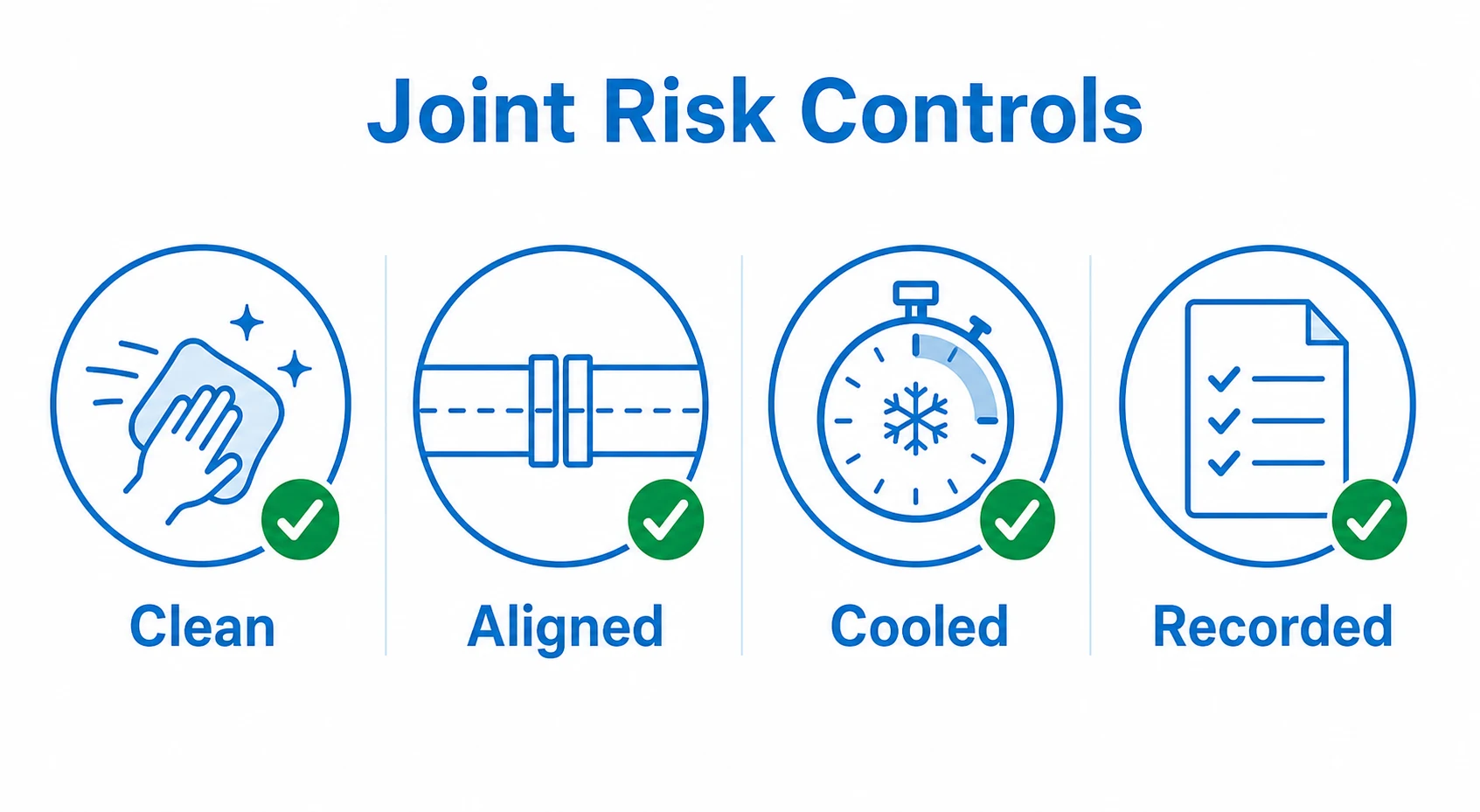
Pipe joints can fail for avoidable reasons. Contamination is one of the most common risks. Dirt, moisture, grease or residue on the pipe surface can interfere with the fusion process. Even small amounts of contamination can make a difference, which is why clean preparation is so important.
Poor scraping is another issue. Plastic pipe develops an outer surface layer that needs to be removed before welding. If this step is rushed, uneven or missed, the fitting may not fuse as intended. Correct scraping exposes a clean surface and gives the weld a better chance of forming properly.
Alignment also matters. If pipes are forced into position, left under strain or allowed to move during welding and cooling, the joint can be weakened. Professional installers use clamps and supports where needed so the pipe and fitting remain stable. Cooling time is treated as part of the weld, not as dead time that can be skipped.
Equipment control is another factor. The welding unit, fitting details and power supply all need to be suitable for the task. Many electrofusion fittings use barcode or manual settings so the correct weld cycle can be applied. A professional approach checks these details before the weld begins.
These steps may sound small, but together they are what separate a dependable installation from a risky repair. Poor workmanship around pipe joints can create leaks, water pressure issues and repeat disruption. For more context on why shortcuts can cause bigger problems, see CW Pipewise’s article on how improper pipe repair can lead to more damage.
The link between strong joints, flow and future maintenance
A well installed water pipe should do more than avoid leaks. It should also support good flow, reliable pressure and straightforward future maintenance. Joint quality contributes to all of these outcomes because restrictions, misalignment or poor connections can affect how water moves through the system.
If an old pipe has been replaced to improve performance, the new installation needs to be consistent from end to end. A good pipe route, suitable pipe diameter and properly completed joints all work together. Where pressure or flow has been a problem, it is worth looking at the wider system rather than assuming one single part is responsible.
Electrofusion welding can support a smooth, sealed connection when compatible materials and fittings are used. That helps reduce the chance of hidden weak spots at couplers, bends or transition points. It also gives installers a repeatable method for joining modern pipework in a controlled way.
Water flow and pressure can be affected by old pipe material, internal corrosion, leaks, undersized pipework, poor fittings or valve problems. If a property has persistent performance issues, CW Pipewise’s information on improving water flow and pressure explains how pipework condition can be part of the picture.
For future maintenance, clear records and sensible access points are useful too. A good installer will think about how the pipework may need to be inspected, isolated or connected later. Strong joints reduce the likelihood of avoidable call backs, but practical design still matters.
What to expect from a careful electrofusion process
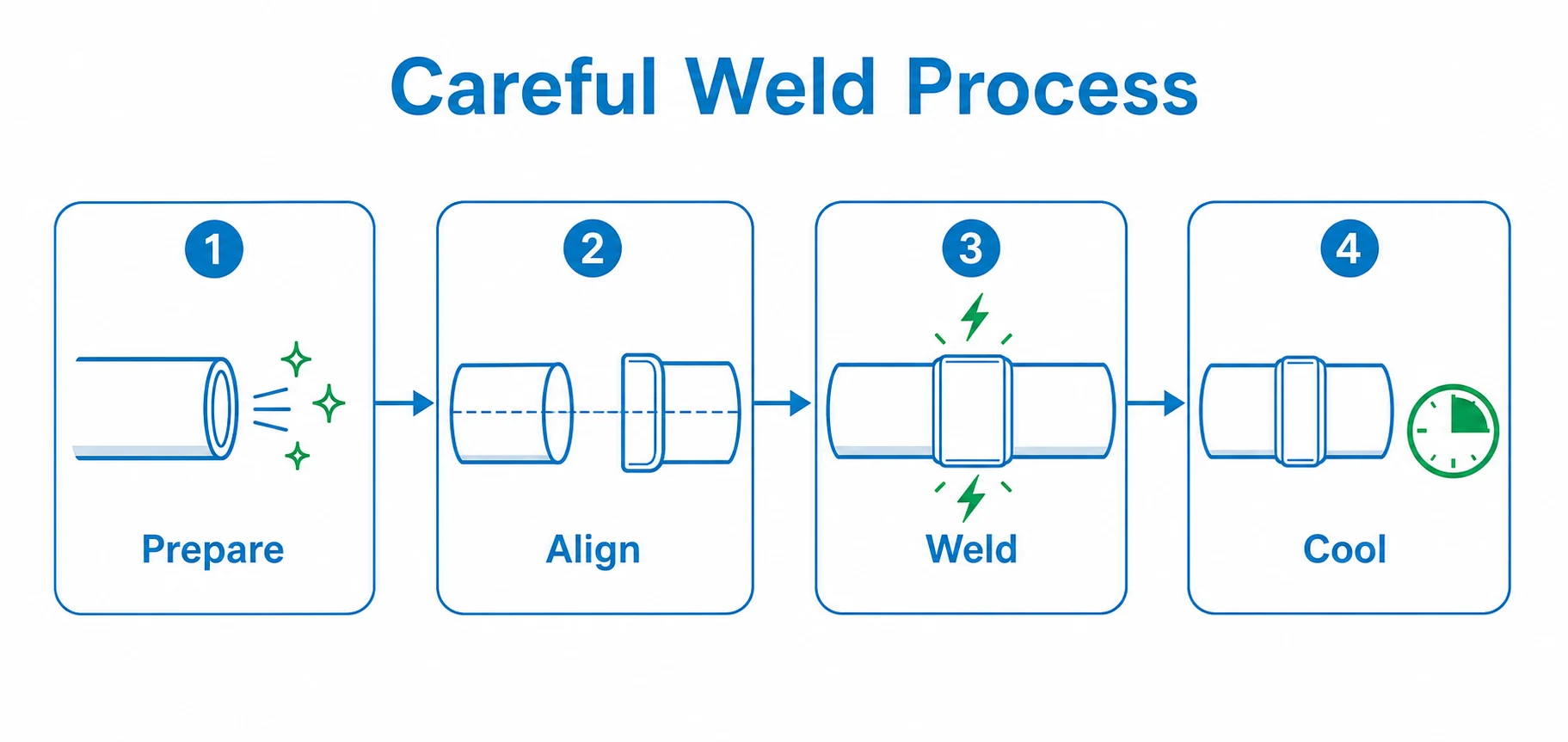
A careful electrofusion process begins before the welding unit is switched on. The installer should confirm that the pipe and fitting are compatible, that the pipe has been cut squarely and that the joint area is suitable for preparation. The pipe should be scraped, cleaned and marked so the fitting can be positioned accurately.
Once the fitting is in place, the pipework should be clamped or supported where needed. This helps prevent movement during the weld cycle and cooling period. The welding unit is then connected to the fitting, the correct weld information is entered or scanned and the cycle is completed.
After welding, the joint must be left to cool for the required time. This stage is easy to underestimate, but it is essential. A joint that is disturbed too soon may not achieve the intended strength. Once cooled, the installation can be checked as part of the wider commissioning process.
For the customer, a professional process should feel organised and clear. The team should be able to explain what is being joined, why the method is suitable and what checks are needed before the pipe is put into service. You do not need to understand every technical setting, but you should expect the installer to treat the joint as a critical part of the project.
That is the value of electrofusion welding in new water pipe installs. It brings control and consistency to the points where pipework must be connected. Combined with thoughtful directional drilling and proper planning, it helps create a replacement pipe system built for reliable everyday use.
- Joint quality is critical because every connection can affect leak resistance, pressure and reliability.
- Electrofusion welding uses controlled heat inside specialist fittings to fuse compatible plastic pipework.
- Directional drilling can reduce surface disruption, while electrofusion helps strengthen the final pipe connections.
- Preparation, cleanliness, alignment and cooling time all influence weld quality.
- A professional process supports better water pipe replacement outcomes without relying on shortcuts.
Frequently asked questions
Is electrofusion welding used for water pipe replacement?
Yes. Electrofusion welding is commonly used with compatible plastic pipework and fittings where strong, controlled joints are needed during water pipe replacement or repair work.
Why is pipe preparation so important before electrofusion welding?
The pipe surface must be clean, scraped and correctly marked so the fitting can fuse properly. Dirt, moisture, poor scraping or movement can weaken the joint.
Does directional drilling remove the need for pipe joints?
No. Directional drilling helps install the pipe route, but the new pipe still needs reliable connections at fittings, valves or existing pipework. Joint quality remains essential.
Can electrofusion welding help with water pressure problems?
Electrofusion welding can support reliable pipe connections, but pressure problems may also involve pipe size, leaks, valves or old pipe condition. The whole system should be assessed.
Need clear advice on water pipe replacement?
CW Pipewise can help you understand the best approach for a new water pipe installation, including directional drilling, electrofusion welding and practical connection planning.