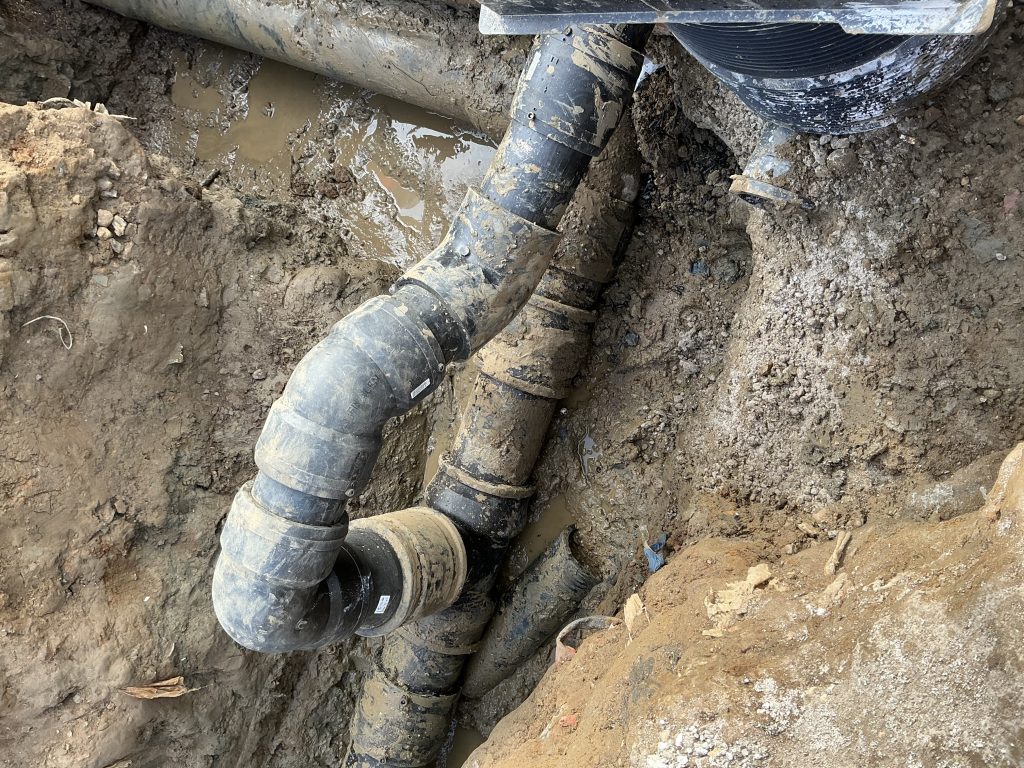
Most water supply problems do not begin with a dramatic burst pipe and water pouring across the drive. More often, it starts with something that feels easy to ignore. The shower runs weaker than usual. The kitchen tap takes longer to fill the kettle. A damp patch appears near the front path and never quite dries out.
To be fair, none of those things automatically means you need a full replacement. Sometimes the issue is smaller and a targeted repair is enough. But when the same sort of problems keep coming back, or the pipework is clearly past its best, replacing the line starts to look like the more sensible option.
Strictly speaking, many people use “water main” to describe the incoming supply pipe serving the property, even though the public main is in the road. Either way, if the pipe feeding your home or premises is failing, the signs below are usually where it starts.
Quick signs at a glance
| Sign | What it may suggest |
|---|---|
| Recurring leaks | The pipe may be deteriorating in more than one place |
| Ongoing low water pressure | A leak, restriction or ageing supply pipe may be affecting flow |
| Discoloured or metallic-tasting water | Older or deteriorating pipework may be affecting water quality |
| Lead or very old pipe materials | The supply line may be more prone to leaks, poor flow and long-term issues |
| Unexplained increase in water bills | A hidden underground leak may be wasting water |
| Wet patches or soft ground outside | Water may be escaping below ground along the pipe route |
| Repeated repair costs | Replacement may now be cheaper than fixing the same problem again |
1. You keep having leaks
One leak on its own does not always mean the whole pipe is finished. Pipes get damaged. Joints fail. Ground shifts a little over time. That can happen.
Still, if you have already had one repair done and another leak appears a few months later, it tends to suggest a wider issue. We often see this with older supply pipes where one weak point gets fixed, only for another section to give way not long after.
If that sounds familiar, it is worth asking a simple question: are you dealing with one isolated fault, or are you propping up a pipe that is slowly failing along its full length?
If you are not yet sure where the problem sits, it may be worth reading How Are Pipe Leaks Detected? before deciding whether repair or replacement is the better route.
2. Your water pressure has dropped and never really recovered
Low water pressure can happen for all sorts of reasons. It may be a local network issue. It may be internal plumbing. It may even be something as simple as a partially closed stop tap.
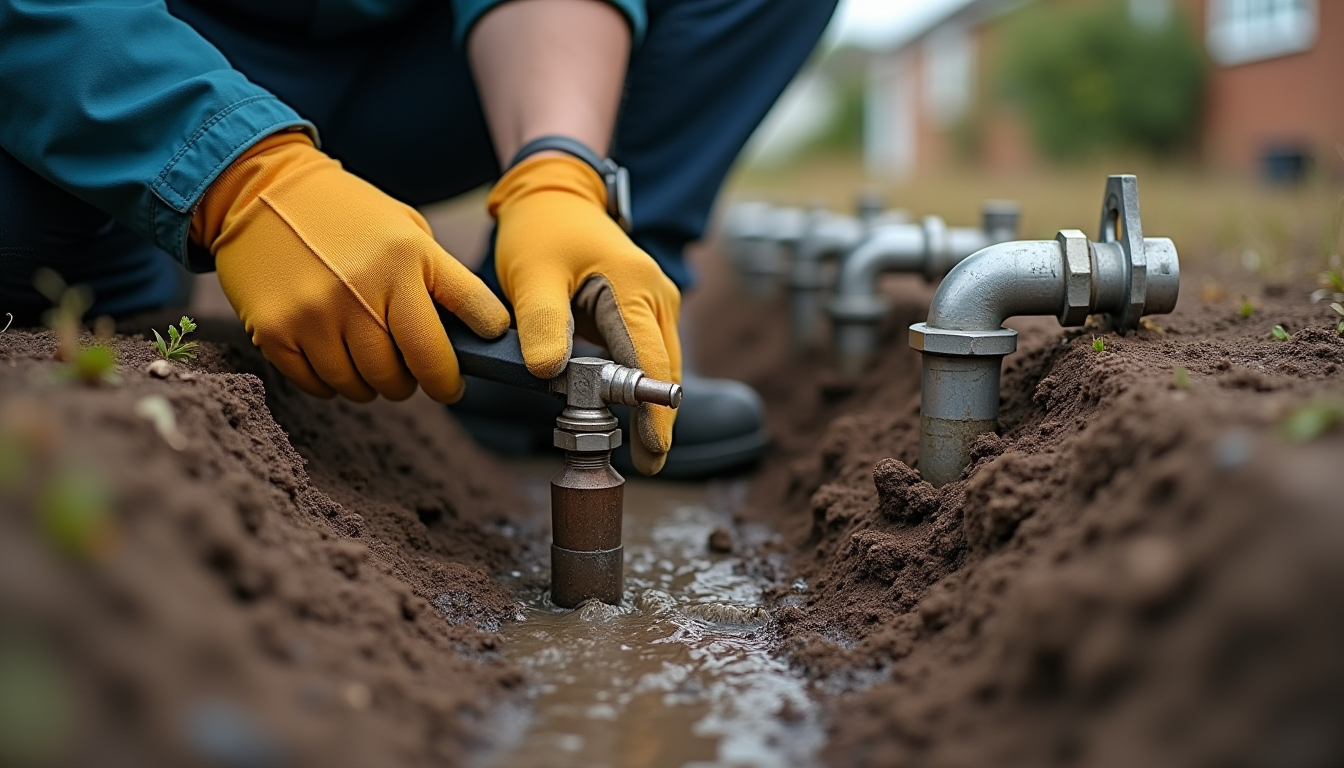
But if the whole property feels affected, and the problem keeps returning, the supply pipe may be part of it. Older pipes can narrow internally over time, and leaks below ground can reduce the pressure reaching the house before the water gets anywhere near your taps.
In practical terms, that might mean an upstairs shower that has lost its punch, a slow outside tap, or two fixtures struggling when used at the same time.
If pressure loss is one of the main symptoms, this related post may help as well: Understanding Water Pressure: Why It Drops and How to Fix It.
3. Your water looks discoloured or tastes metallic
If the water sometimes runs brown, cloudy, or slightly metallic, it may point to deteriorating pipework somewhere in the system. Sometimes that comes from internal plumbing. In other cases, it appears to be linked to older underground supply pipes, particularly where ageing metal materials are still in use.
People do sometimes assume discoloured water is just “one of those things” and wait for it to clear. Fair enough if it happens once after works in the road. If it happens more than once, though, it should not be brushed off.
Clean water matters. If the condition of the pipe is affecting water quality, replacement may well be the right long-term fix.
4. The property still has old or lead pipework
This is a big one. If the property was built decades ago and the incoming pipe has never been updated, there is a reasonable chance you are dealing with ageing materials that are more vulnerable to leaks, restricted flow and ongoing wear.
If lead pipes are still in place, there may also be water quality concerns to think about. Not every old pipe fails overnight, of course. Some carry on longer than you would expect. Even so, age catches up with them eventually, and older supply pipes are far more likely to become an expensive nuisance before they completely give up.
If you suspect there may be lead on the property, it is worth reading Do You Have Lead Pipes? Here’s How to Check and What to Do About It.
5. Your water bill has increased for no obvious reason
A hidden underground leak can waste a surprising amount of water without making much noise on the surface. If your usage has not changed, but the bill has crept up anyway, it is worth looking a bit closer.
The same goes if your water meter appears to be moving when everything in the house is turned off. You may not see water bubbling up through the ground straight away. Quite often, the first clue is simply that the numbers no longer add up.
A concealed leak does not always mean full replacement, but if the pipe is already old or weakened, a repair may only buy a bit of time.
Responsibility can also be a bit confusing, especially where the leak sits near the property boundary. This guide may help: Who Pays for a Groundwater Leak? A Guide for UK Homeowners.
6. You have wet patches or soft ground outside
This is one of the more obvious signs, though even then it can be easy to second-guess. People often assume it is just rainwater sitting in the wrong place, especially in winter.
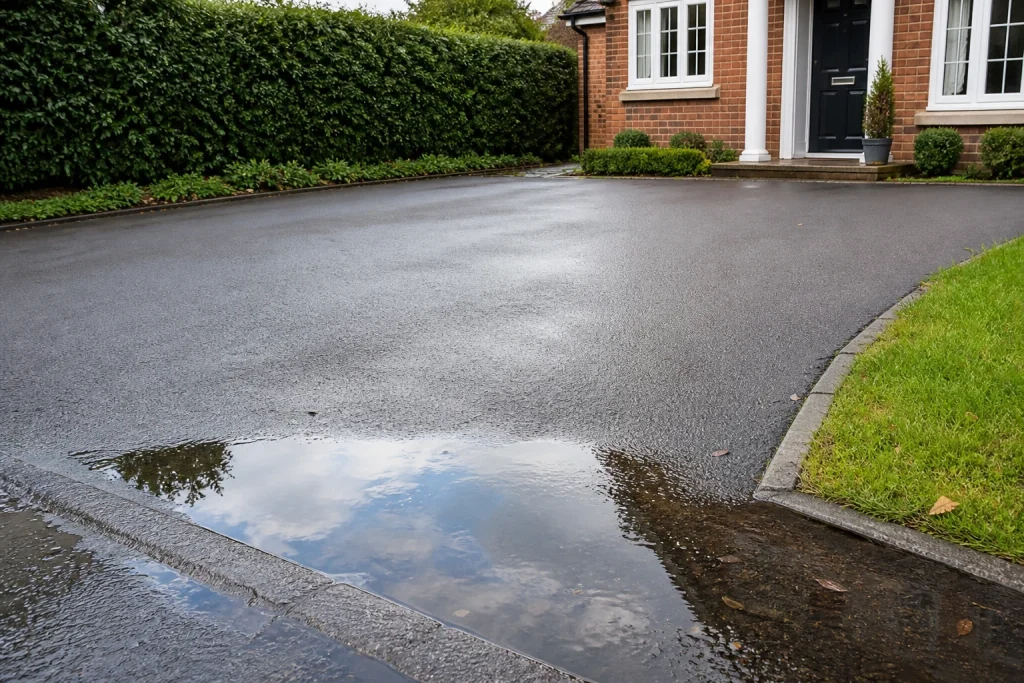
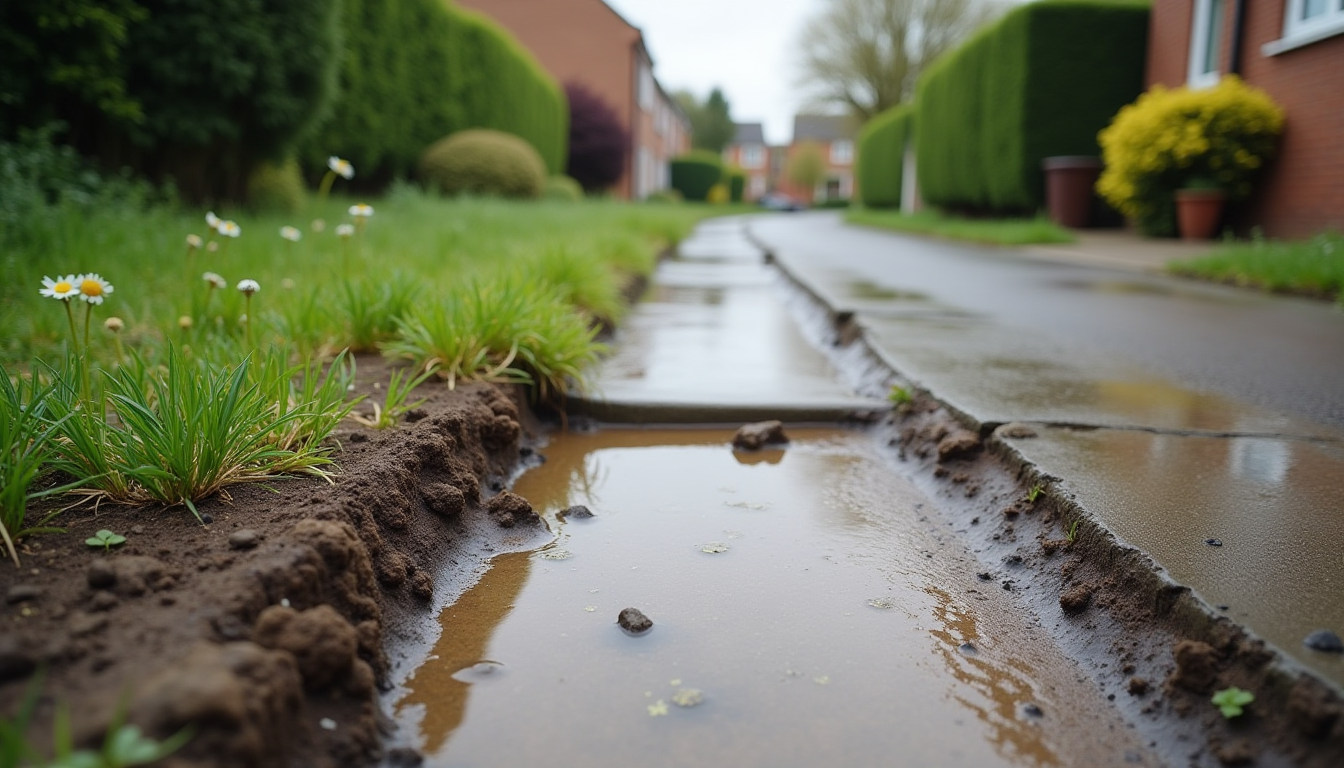
Still, if one patch of lawn stays boggy when the rest of the garden dries out, or the ground near the driveway feels softer than it should, there may be a leak below.
Other clues can include:
- a damp strip running across the garden
- water pooling near the front path
- sinking ground above the route of the pipe
- moss or weed growth in one stubborn patch
None of that confirms the cause on its own, but taken together it may suggest water is escaping underground.
7. Repairs are starting to cost more than a replacement
This is usually the point where replacement starts to make more financial sense.
Leak detection, excavation, repairs, reinstatement, then another issue six months later — it adds up. And it is not just the invoice. It is the hassle, the mess, the lost time, and the feeling that the problem is never quite finished.
There are cases where a repair is clearly the right call. But if the same line keeps failing, or the pipe material is outdated, repeated repairs can turn into the more expensive option in the long run.
When is replacement better than repair?
A repair may be enough when:
- the damage is limited to one small section
- the rest of the pipe appears to be in decent condition
- the issue has been found early
- there is no broader sign of deterioration
Replacement is more likely to make sense when:
- leaks keep returning
- the pipe is old or made from lead
- pressure problems are ongoing
- water quality is being affected
- repair costs are starting to stack up
- you want a longer-term fix rather than another temporary patch
That last point matters more than people sometimes admit. There is a difference between the cheapest option today and the option that actually sorts the issue properly.
Replacement may not be as disruptive as you think
A lot of people put off replacing a supply pipe because they picture trenches across the whole garden, broken paving, and weeks of disruption.
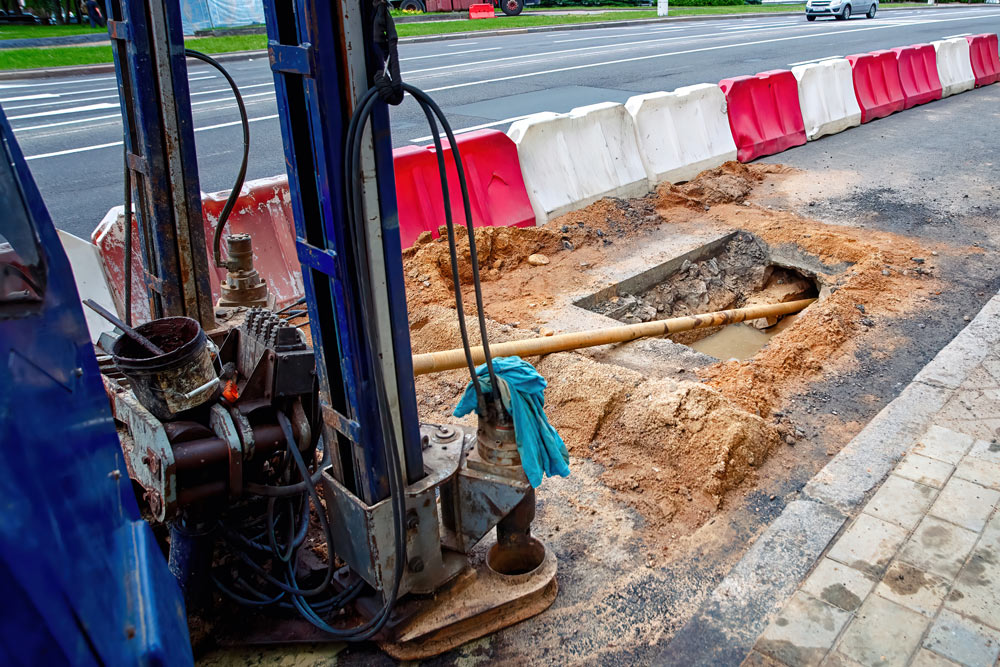
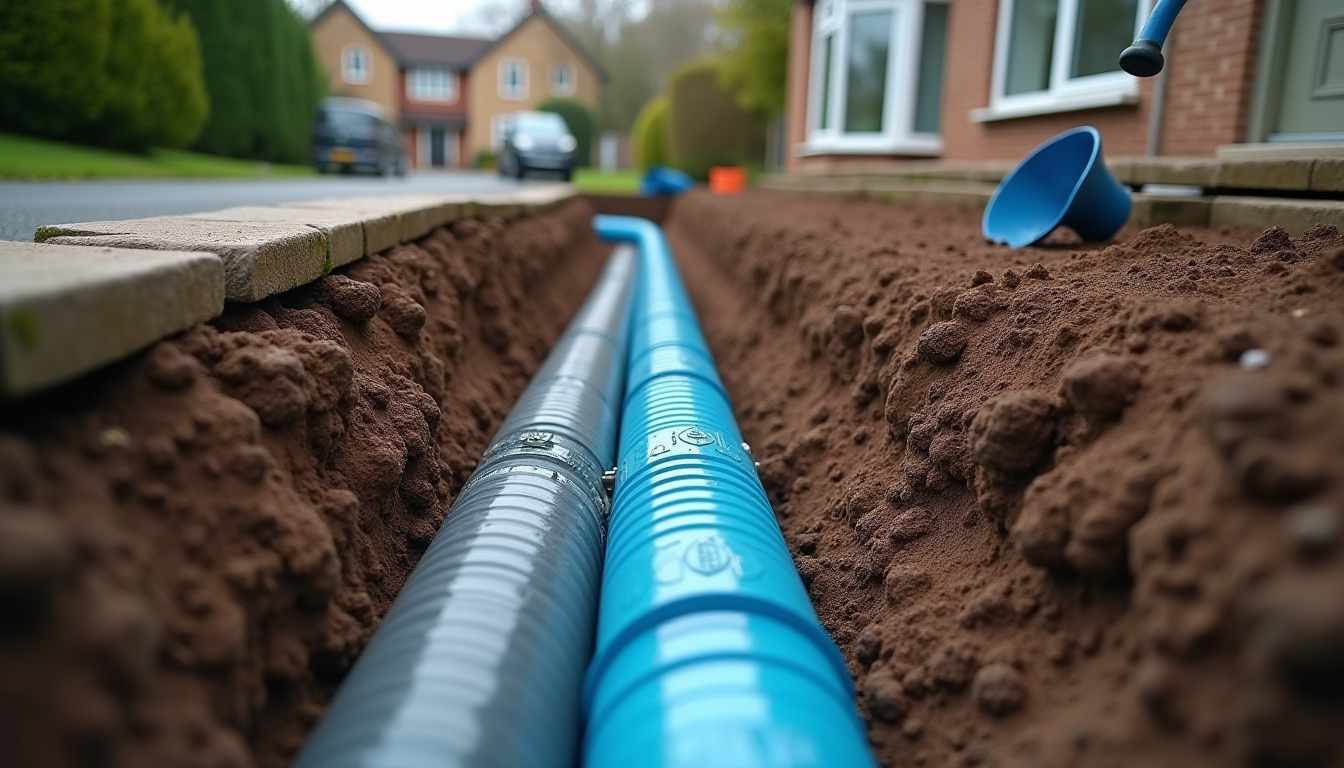
Sometimes excavation is needed, yes. But not every job is as invasive as people expect. Depending on the route and the ground conditions, trenchless methods such as moling or directional drilling may help reduce disruption. That can be particularly useful where the pipe runs beneath driveways, paths, patios or landscaped areas you would rather not dig up unless you have to.
If you want a better sense of how lower-disruption installation methods compare, take a look at Directional Drilling vs Open Trenching: When Each Makes Sense.
When to get it checked
If you have one mild symptom and everything else seems normal, it may simply need monitoring. If you have two or three of the signs above — especially recurring leaks, pressure loss, old pipe materials or unexplained wet ground — it is probably worth having it looked at sooner rather than later.
Problems below ground rarely improve on their own.
At CW Pipewise, we help homeowners and businesses identify supply pipe issues, locate leaks, and work out whether a targeted repair or full replacement is the better option. If replacement is needed, we can advise on the most practical method for the site and aim to keep disruption to a minimum.
You can read more about water pipe replacement and installation, or if the issue turns out to be more localised, take a look at our water pipe repairs and leak repairs service.
If you think your property may need a water main replacement, contact CW Pipewise for advice.