Where does lead come from?
Lead used to be common in the environment due to its widespread historic use in petrol, paint and water pipes. Before 1970, lead pipework was commonly used to connect properties to the mains water network. The use of lead pipes has since been banned, however many older properties that have not been modernised are likely to have lead pipework underground and/or inside the building.
Is lead harmful?
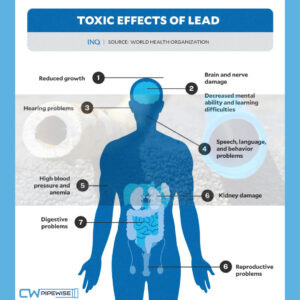
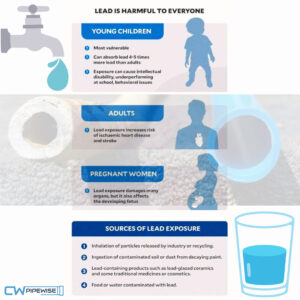
Lead can build up in the body and it is recommended that exposure to lead be minimised as far as possible. Those at particular risk are infants (including unborn babies) and children because lead can have an adverse impact on mental development. Lead may also be a factor in behavioural problems. In adults, it may impair kidney, heart, and circulatory health.
How do I know if there are lead pipes in my home?
If your home was built:
- Before 1970 – it may have lead pipes.
- After 1970 – it is unlikely to have lead pipes.
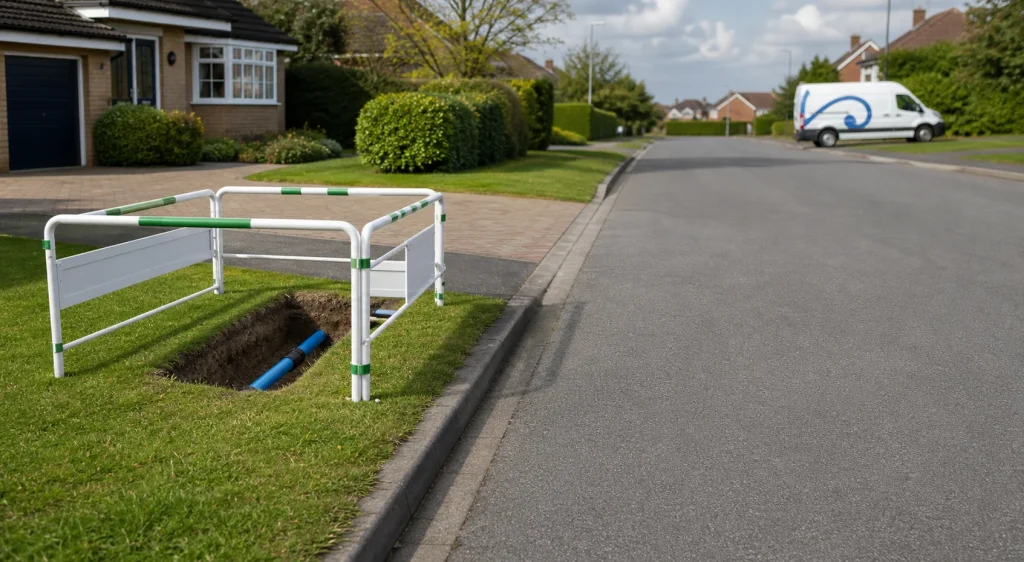
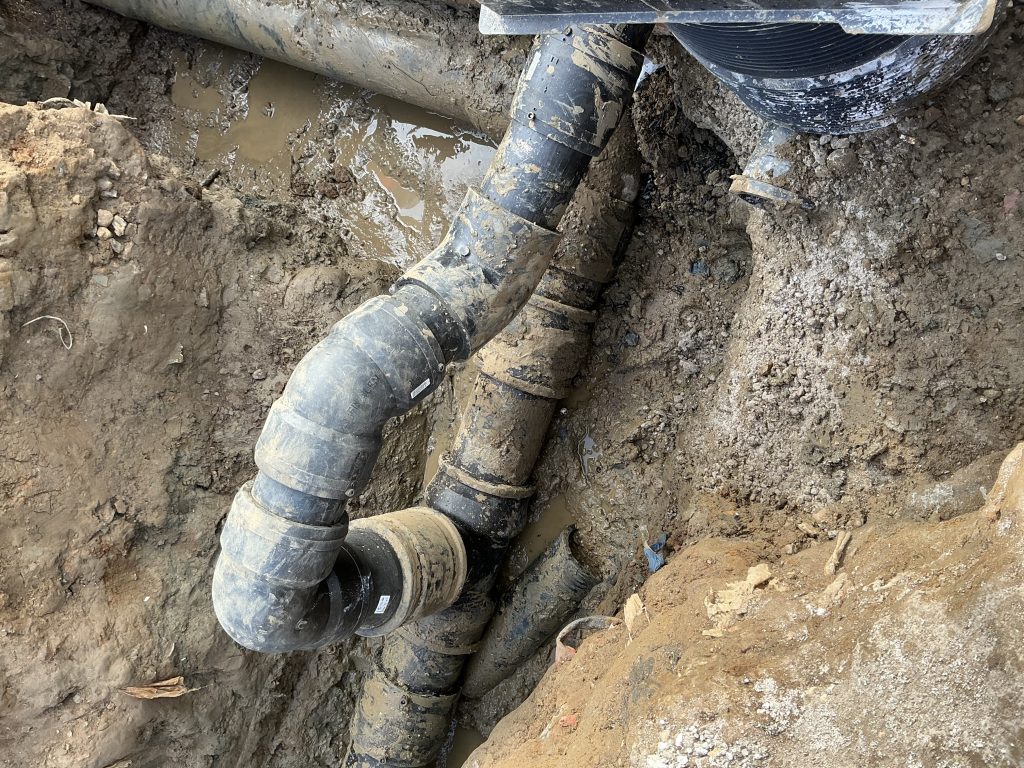
Changing your lead pipes for new, plastic MDPE pipes is the only way to eliminate the risk and will give you both peace of mind and superior quality drinking water. CW Pipewise is experienced in replacing lead water pipes in both commercial and residential properties.
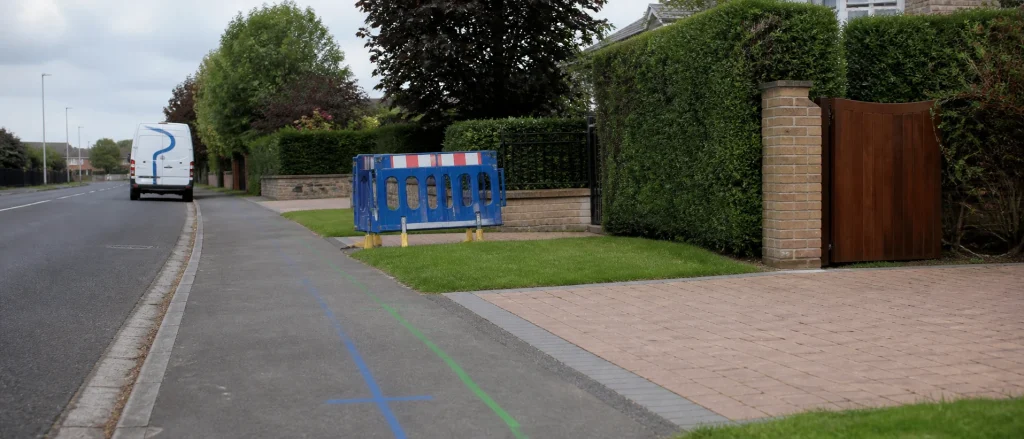
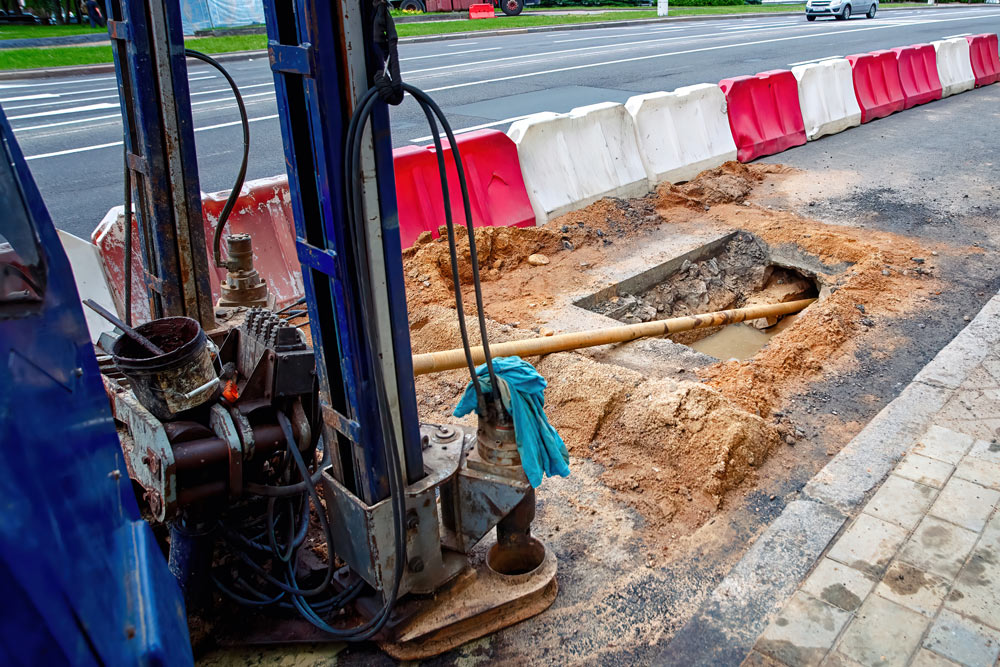
Our dedicated team will provide an accurate and competitive quote for replacing your lead supply pipe, and your renewal would be handled by our specialist engineers using the latest trenchless technology.
It is easy to see whether your pipes are made from lead.
Look for your internal stop tap and see what colour the pipe is. If it is blue plastic on the inlet side of the stock tap, you already have modern pipework in place. If it is metal, scratch the surface with a coin to reveal whether it is lead or not. Scratching it will reveal a shiny surface on lead pipes. If it isn’t shiny, they aren’t lead.
Low water pressure caused by lead pipes.
Old lead pipes tend to be narrow and over time cab become furred up with limescale, especially if you live in a hard water area. This reduces the pressure and flow of water inside your pipes.
Also, older lead water pipes and fittings are more prone to leaks, which is another reason to replace your lead water pipes.