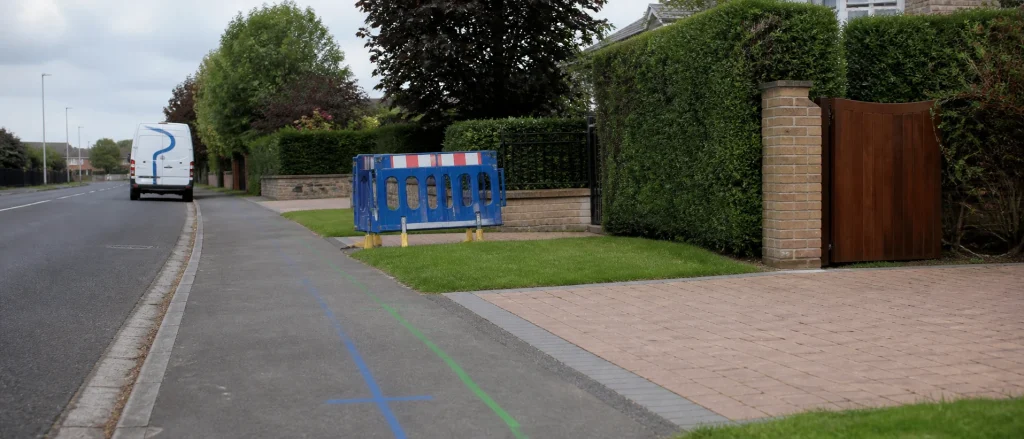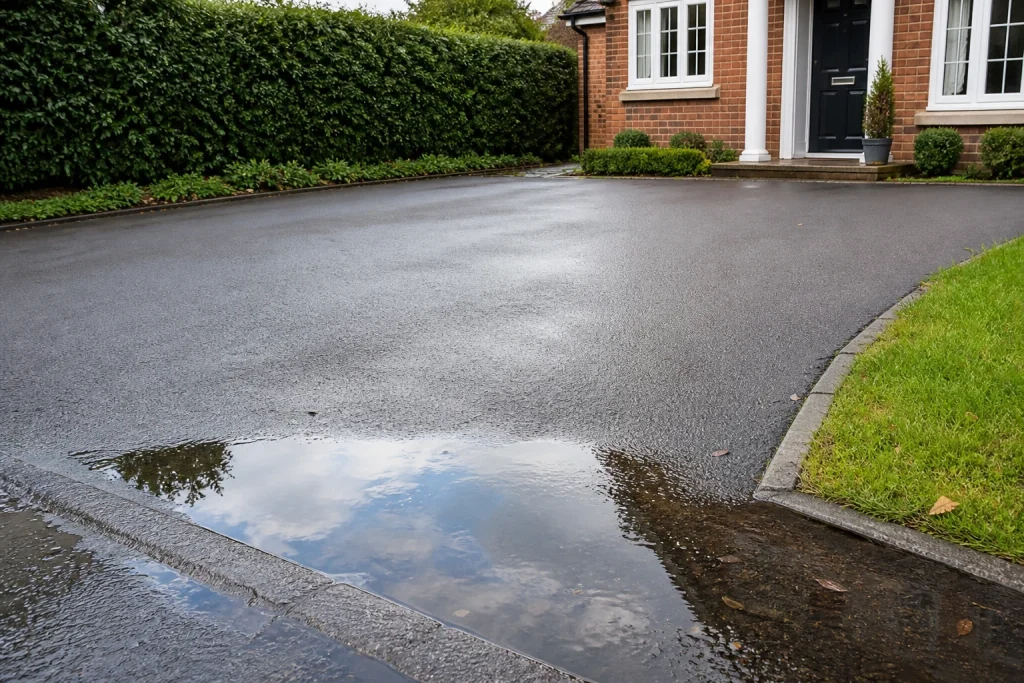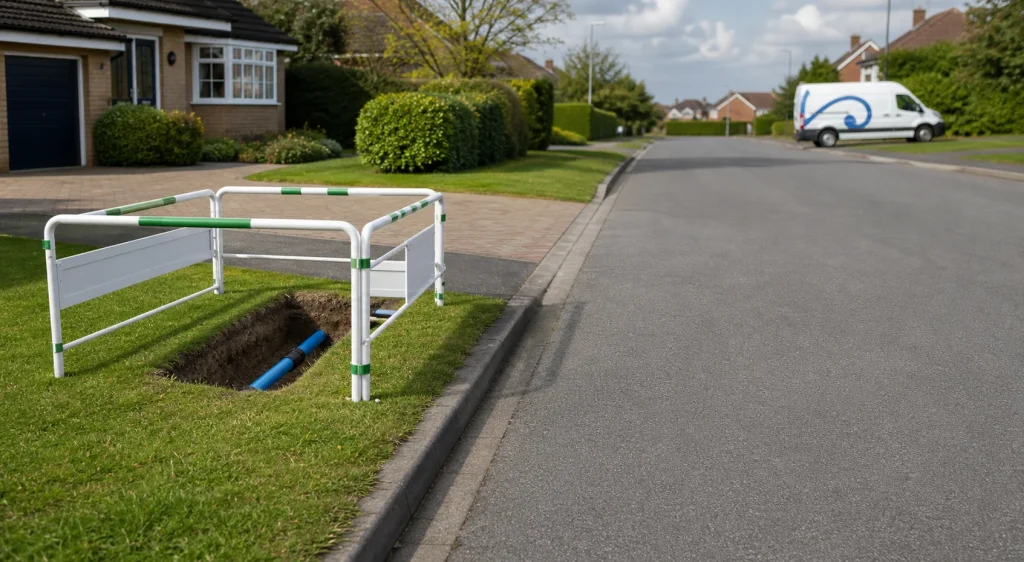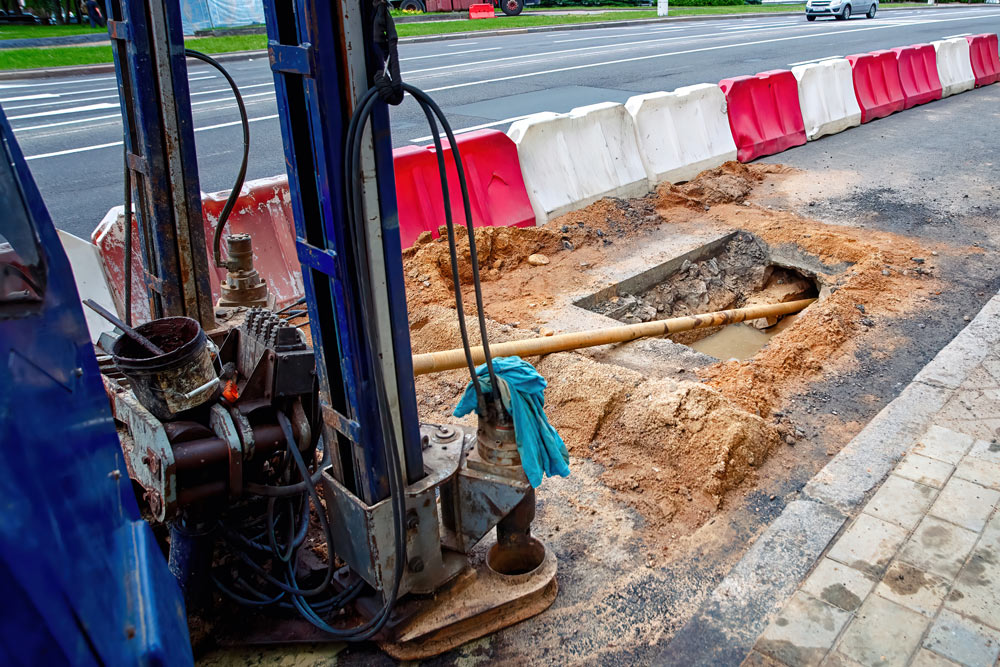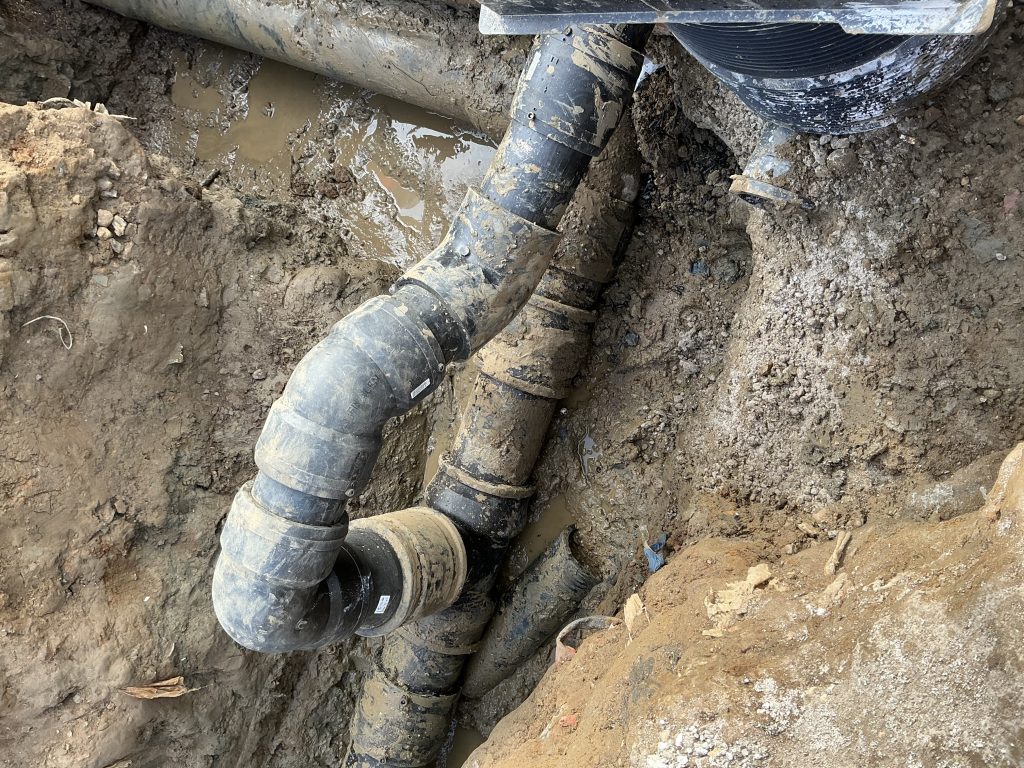
New cable connections often need to cross the awkward parts of a property first: drives, paths, patios, paved entrances, access routes and other finished surfaces that nobody wants opened up without good reason.
Cable moling gives contractors a cleaner way to create an underground route for power, fibre, telecoms or data ducting. Instead of cutting a trench across the whole surface, the route is formed below ground from small excavation points, helping the finished area stay largely intact.
Why hard surfaces make cable installation more complicated
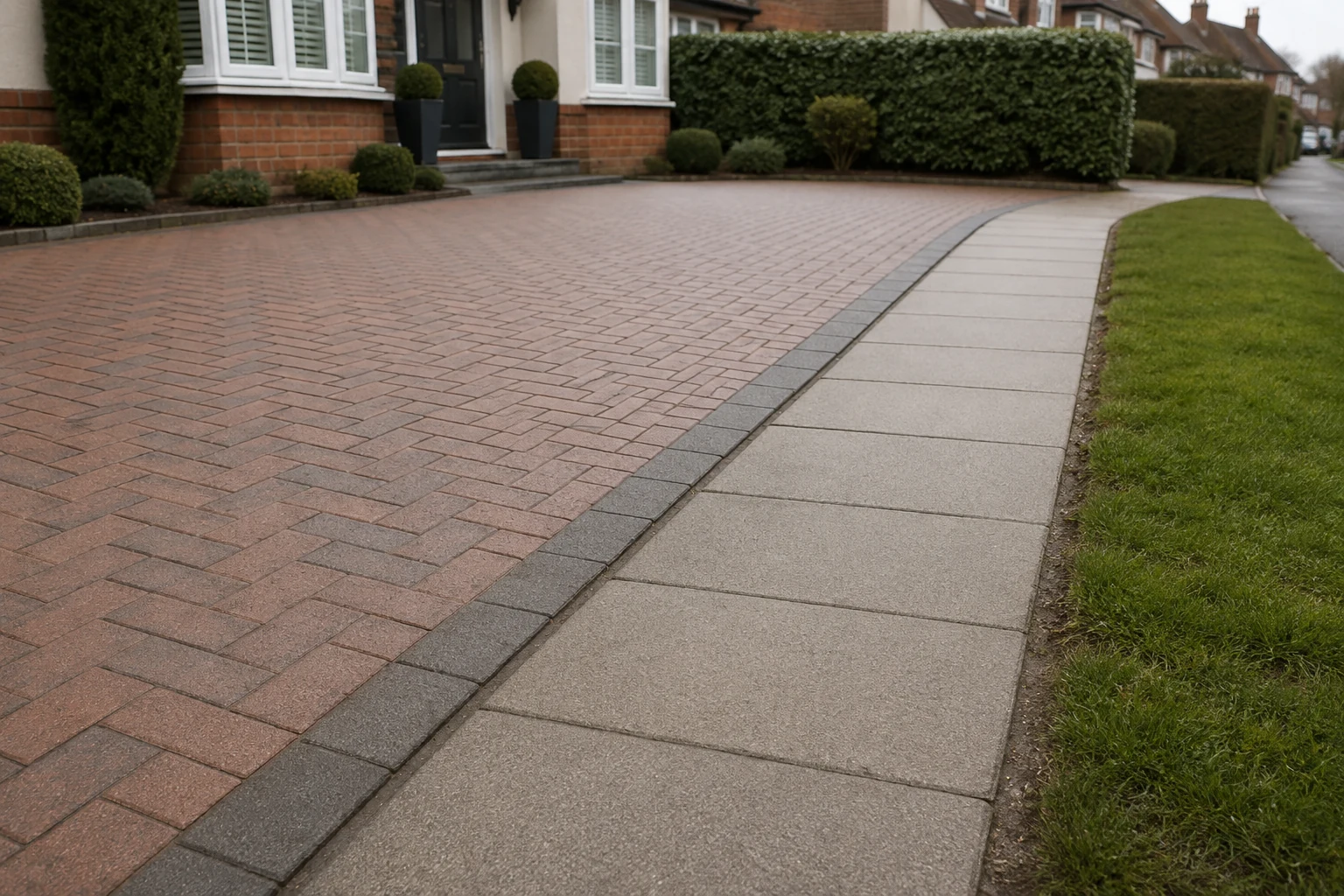
Running a new cable across soft ground is usually straightforward compared with crossing a finished surface. A driveway, paved path or concreted access area has value because it is already usable, neat and stable. Once it is cut open, the job is no longer only about installing a cable. It also becomes a reinstatement task.
Open trenching can still be the right method in some situations, particularly where there are shallow services, poor ground conditions or a wider excavation already planned. The difficulty is that trenching across hard surfaces can affect access, create more spoil, require more reinstatement and leave a visible repair line. For many domestic and commercial settings, that is exactly what the client is trying to avoid.
Cable moling is useful because it separates the underground route from the surface above it. The team can expose the start and finish points, set the line and bore beneath the hard surface. The duct or pipe route can then be installed with much less disturbance to the visible area.
This is why many projects compare trenchless methods before committing to a method. If the question is whether to open a surface or pass below it, CW Pipewise has a helpful guide on directional drilling and open trenching that explains how different ground works approaches are assessed.
What cable moling does differently
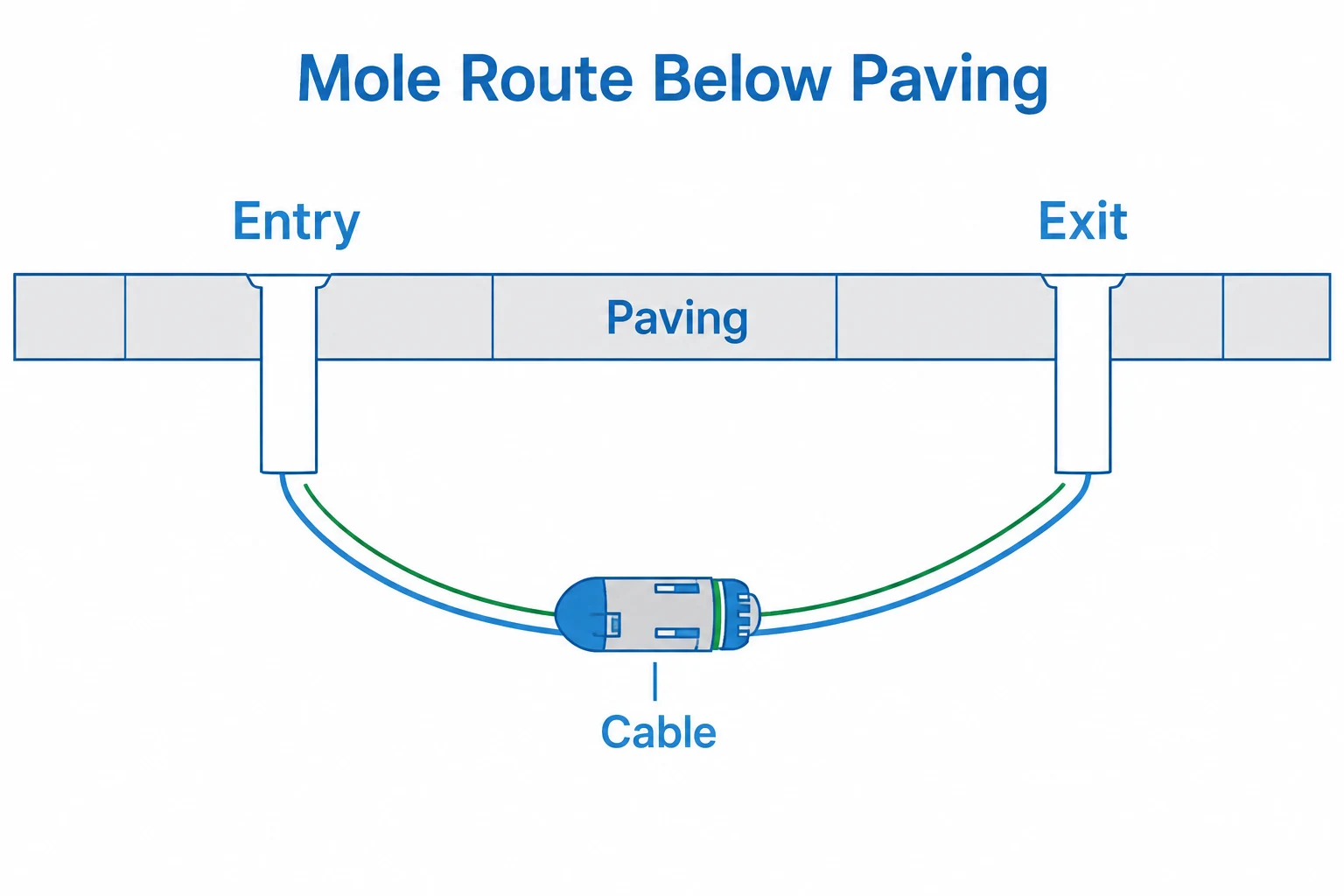
Cable moling uses a compact boring tool to create a path underground. The route is usually set between two small excavations, one where the mole starts and one where it exits. Once the bore path is in place, suitable ducting can be installed so cables can be drawn through by the relevant electrical, fibre, telecoms or data contractor.
The important point is that cable moling is about creating the underground route. It is not the same as connecting the final electrical or telecoms service. That distinction matters because it keeps responsibilities clear. The moling contractor prepares the route and ducting, while the qualified installer or service provider completes the cable connection where required.
For readers planning a project, the practical benefit is simple. If a cable needs to travel from one side of a hard surface to the other, moling can avoid lifting the entire run. That can be useful for supplies to outbuildings, external equipment, lighting, communications infrastructure, access controls and other services where a protected route is needed below finished ground.
CW Pipewise explains its dedicated cable moling service for cable ducting projects, including routes for electric cables, fibre optics and phone lines.
Where cable moling works best
Cable moling is most valuable where the surface above the proposed route is already finished or needs to remain usable. Typical examples include paved approaches, private drives, footpaths, hard landscaped areas, compacted access strips and small commercial entrances.
It can also suit jobs where the route needs to pass under a narrow obstruction. Instead of removing a continuous section of surface, the contractor can work from controlled excavation points. That keeps the working area more focused and makes the project easier to manage around everyday access.
Good planning still matters. Before any mole is launched, the route should be checked for existing utilities, changes in level, drainage, foundations, tree roots, previous repairs and any other feature that could affect the bore. The surface may look simple, but underground conditions decide what method is suitable.
The best outcomes usually come from matching the method to the site rather than forcing one approach onto every job. Cable moling, excavation and directional drilling services all have a place. The skill is knowing which one offers the cleanest and most reliable result for that particular route.
Cable moling, directional drilling and directional boring
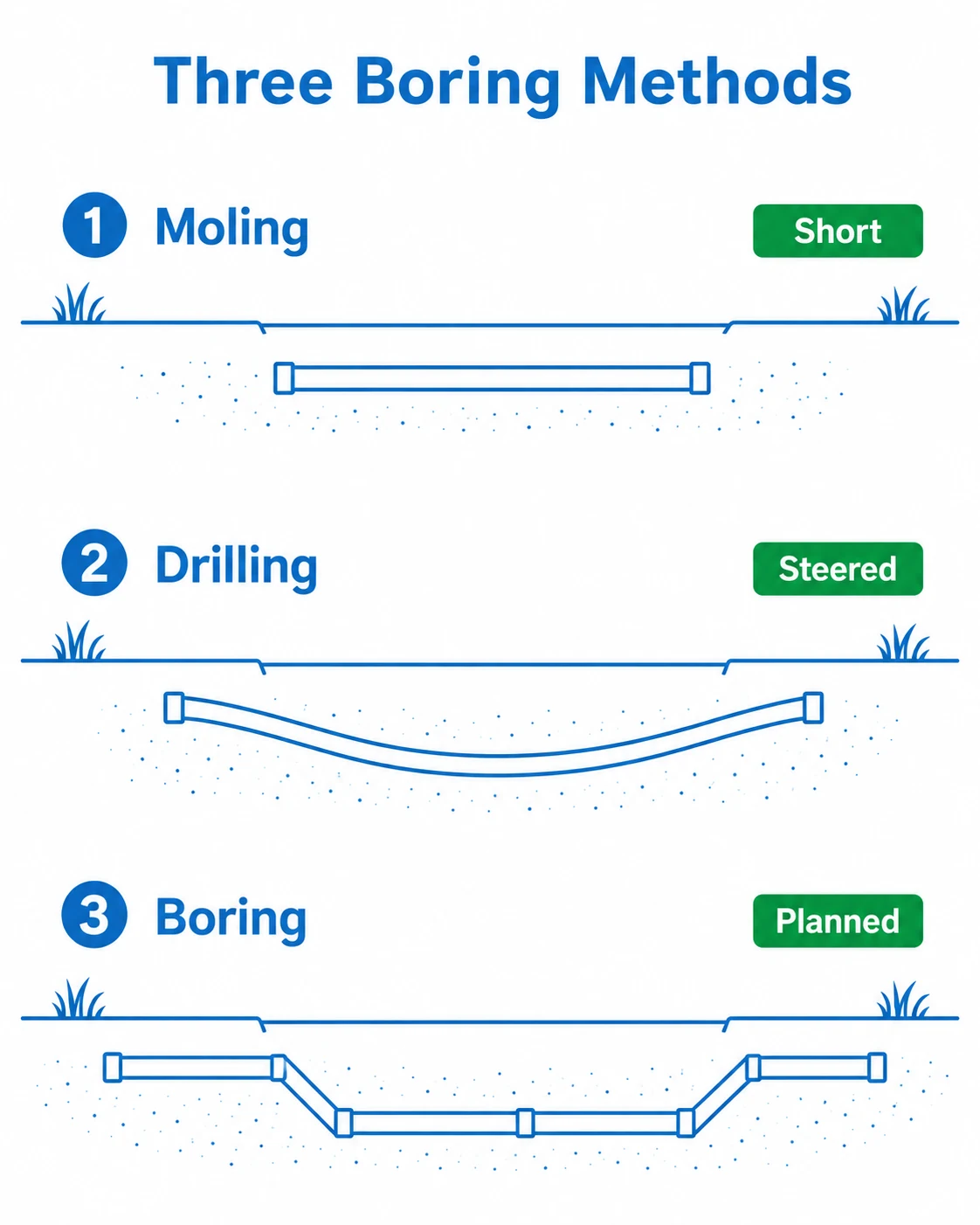
The terms cable moling, directional drilling and directional boring are sometimes used together because they are all trenchless or low disruption methods. They are related, but they are not identical.
Moling is commonly used for shorter, relatively direct underground routes. It is well suited to many cable ducting jobs where the line can be planned between clear start and finish points. Directional drilling and directional boring are more controlled methods that can be better suited to longer routes, deeper installations, more complex alignments or projects where steering accuracy is especially important.
Trenching is different again. It gives direct visual access to the whole route, which can be useful where multiple services need to be exposed or where the ground must be inspected throughout. It also creates more surface disturbance, which is why it is often weighed against trenchless options.
If you are comparing methods, the useful question is not which technique sounds most advanced. The better question is what the cable route actually needs. Length, depth, ground type, service drawings, access, duct size and reinstatement requirements all influence the answer. For a wider comparison, CW Pipewise has also covered moling and directional drilling in more detail.
How a well planned cable moling job is approached
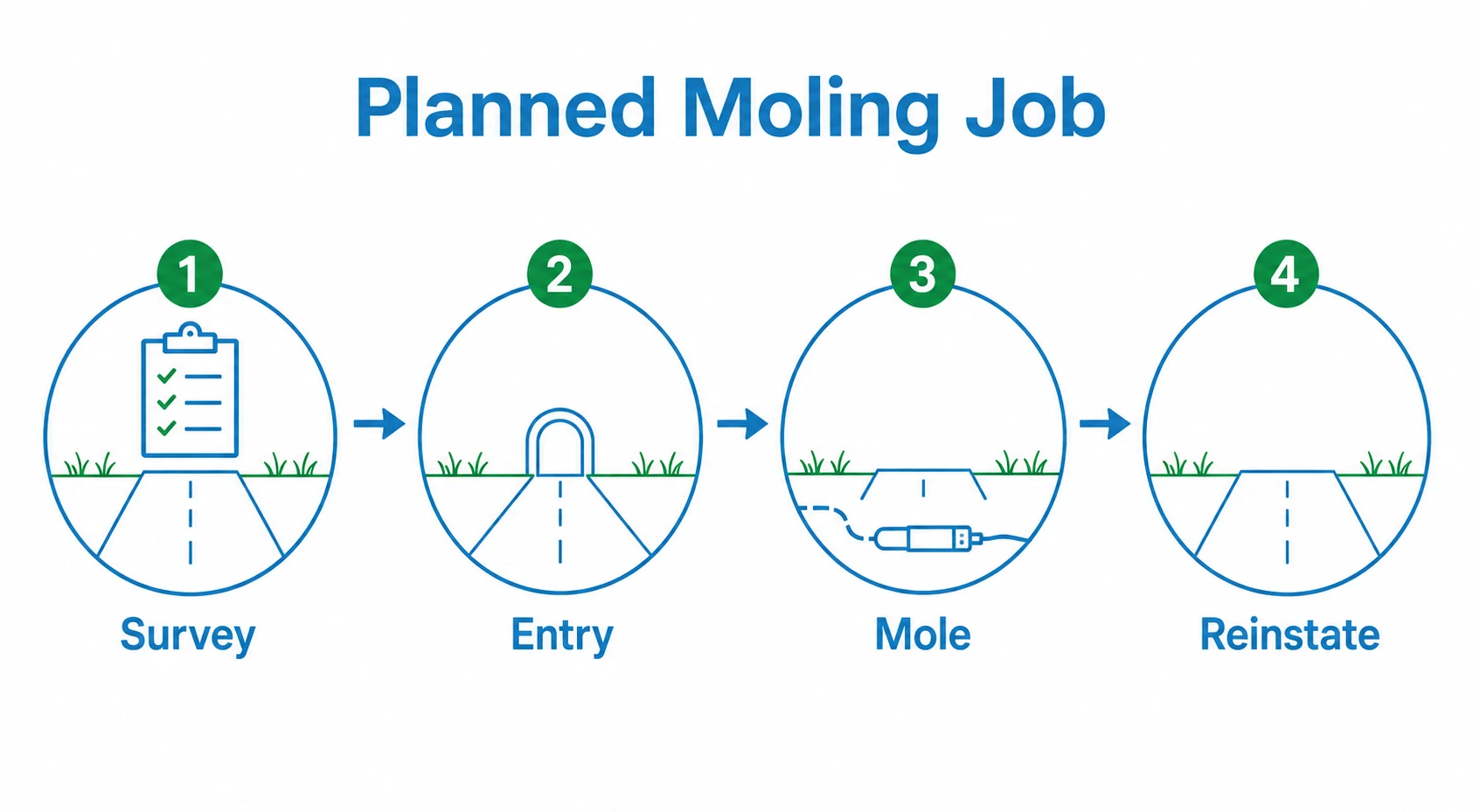
A good cable moling job starts with the route. The contractor needs to understand where the cable is coming from, where it needs to end, what ducting is required and what other services may already be in the ground. This planning stage helps avoid unnecessary excavation and supports a cleaner finish.
The surface is then considered carefully. A neat paved area, for example, may need only small, controlled excavation points if the underground route is suitable. The aim is to keep disturbance focused while allowing enough room to work safely and accurately.
Once the bore path is formed, the ducting can be installed and the excavation points reinstated. The cable itself may then be pulled through or left ready for the relevant contractor, depending on the project and the agreed scope. This staged approach helps keep the civil works and the specialist connection work clearly separated.
When cable moling forms part of wider ground works, it may sit alongside other tasks such as excavation, reinstatement or utility preparation. In those cases, it can be useful to look at the broader moling and excavating services available, because a mixed approach can sometimes give the neatest result.
What to check before choosing the method
Before choosing cable moling, it helps to gather a few project details. The more accurate the information, the easier it is to confirm whether moling is suitable and what preparation is needed.
- The intended start and end points for the cable route
- The type of cable or ducting required
- Any known underground services nearby
- The surface that needs to be crossed
- Access for equipment and safe working space
- Whether another contractor will make the final connection
It is also worth thinking about future use. If the route may need extra capacity later, the ducting choice should be discussed early. A small amount of planning at the route stage can make future work simpler without changing the purpose of the job.
The right contractor will not treat moling as a shortcut. They will treat it as a controlled installation method. That means checking the route, selecting suitable equipment, keeping excavations tidy and reinstating the working areas properly once the duct route is complete.
- Cable moling can carry cable ducting beneath drives, paths and paved areas without cutting a trench across the full surface.
- It is especially useful where the finished surface needs to stay neat, accessible and largely undisturbed.
- Moling creates the route for cable ducting, while final electrical, fibre or telecoms connections may need a separate qualified contractor.
- Directional drilling, directional boring, moling and trenching all have their place, so the best method depends on the route, depth, ground and access.
- Good planning before work starts helps protect existing services and supports a cleaner reinstatement.
Frequently asked questions
Can cable moling be used under a driveway?
Yes, cable moling is often considered where a cable route needs to pass beneath a driveway or another hard surface. Suitability depends on the ground, route length, depth, existing services and access for equipment.
Is cable moling the same as installing the final cable connection?
No. Cable moling creates the underground route and can install ducting for the cable. The final connection for electrical, fibre, telecoms or data services may need to be completed by the relevant qualified contractor or provider.
When is directional drilling better than cable moling?
Directional drilling or directional boring may be better for longer, deeper or more complex routes where steering control is important. Cable moling is often suited to shorter and more direct ducting routes beneath finished surfaces.
Will the whole paved area need to be lifted?
Usually the aim of cable moling is to avoid lifting the full route. Small excavation points are still needed for access, setup and reinstatement, but the main path can often be formed below the surface.
Planning a cable route beneath a hard surface?
CW Pipewise can assess the route, explain the suitable trenchless options and help prepare a clean underground duct path for your new connection.